


The South Korea stock market came under tighter government oversight on Wednesday after an emergency meeting led by Finance Minister Koo Yun-cheol. Following two consecutive sessions of extreme volatility and repeated circuit breakers, the Ministry of Economy and Finance announced a series of measures aimed at stabilizing financial markets and reducing speculative trading in leveraged exchange-traded funds (ETFs). Authorities said they will maintain a 24-hour stock market monitoring system, introduce new restrictions on leveraged ETF trading, and establish a legal basis for emergency market-stabilization measures.
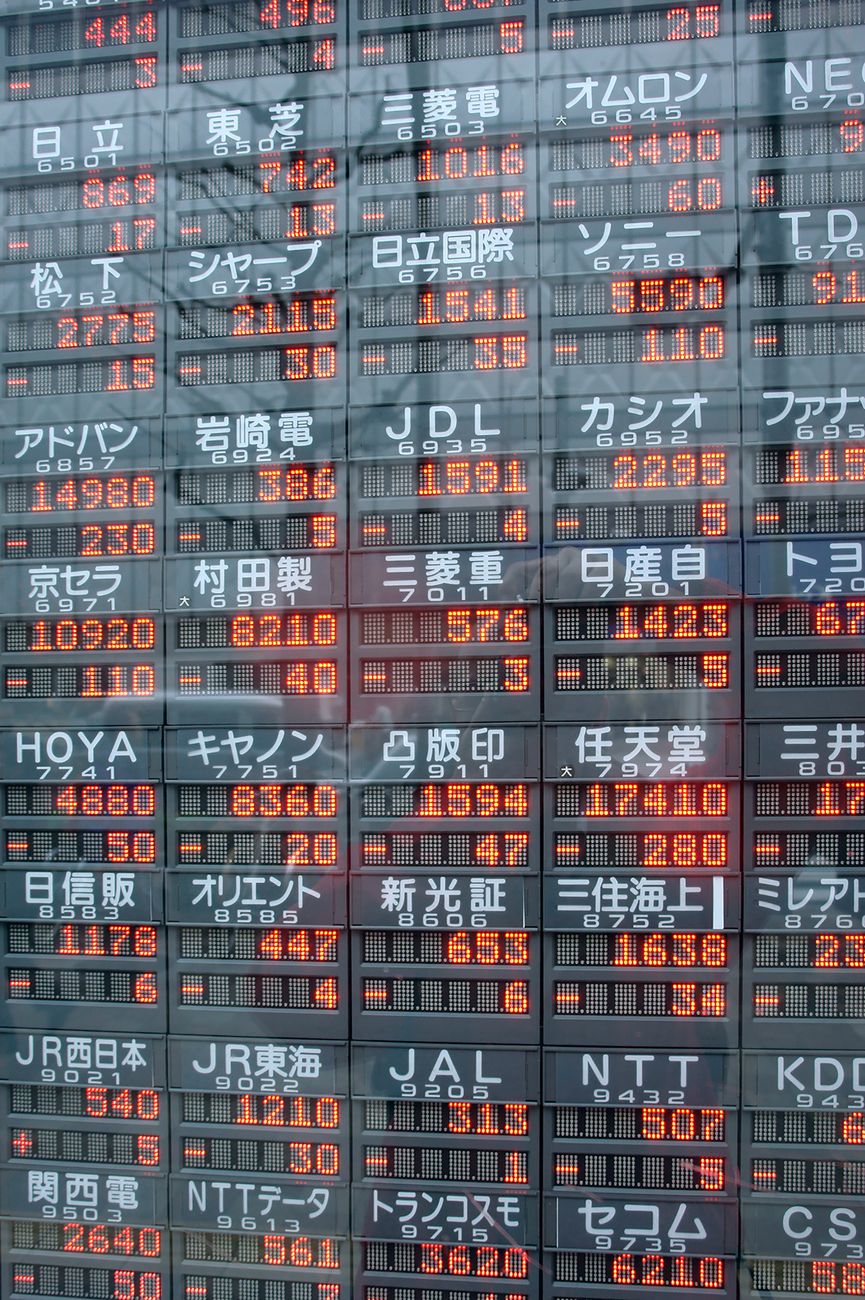
The announcements followed one of the most severe market sell-offs in the country’s history. The KOSPI closed down 360.58 points (-5.99%) at 5,663.08 on July 29 after plunging more than 12% intraday and triggering circuit breakers for the second consecutive trading session. Japan’s Nikkei 225 also ended lower, falling 930.73 points (-1.49%) to 61,434.19.
South Korea Stock Market Introduces New ETF Restrictions
After the emergency meeting, the finance ministry confirmed that it will immediately impose additional rules targeting single-stock leveraged ETFs. The government said it will restrict trading in leveraged ETFs, raise transaction costs on single-stock leveraged ETFs, strengthen oversight of leveraged ETF trading, and cap retail investors’ exposure to these products in an effort to curb speculative activity.
Officials also said they are considering higher transaction costs specifically to reduce speculative ETF trading. In addition, the ministry confirmed it will establish a legal framework allowing authorities to implement emergency market-stabilization measures whenever necessary. The government emphasized that it will continue monitoring financial markets around the clock through a 24-hour stock market monitoring system.
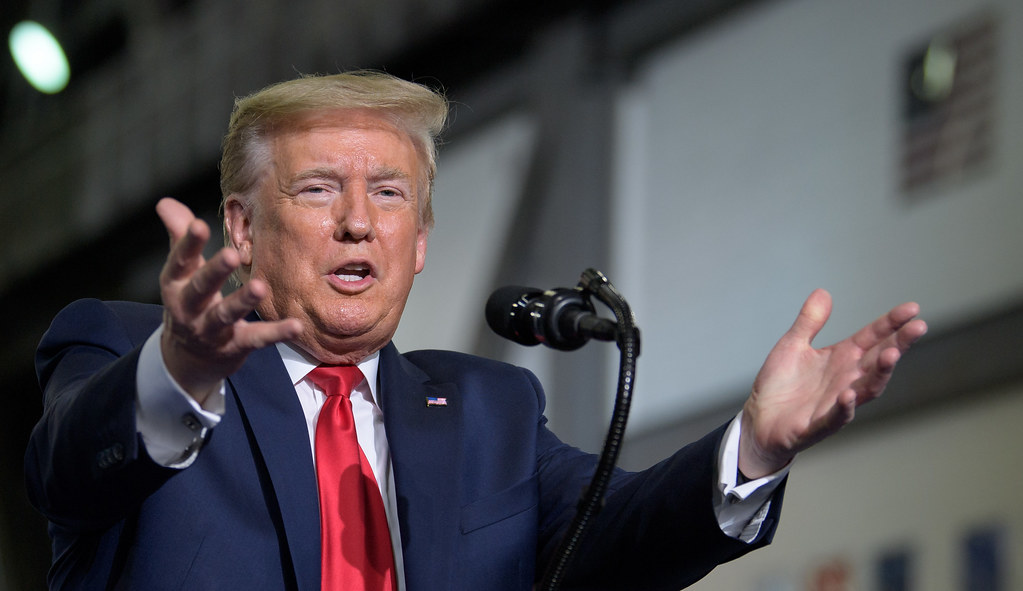
The emergency meeting was convened after lawmakers raised concerns during parliamentary hearings earlier on Wednesday. Several lawmakers blamed the recent market sell-off partly on single-stock leveraged ETFs, which were introduced in May. Finance Minister Koo Yun-cheol apologized during the hearings, acknowledging that regulators should have conducted more thorough deliberations before launching the products. However, he also said leveraged ETFs were only one of several factors contributing to the recent market turbulence.
Koo told lawmakers that authorities have already introduced several measures to support market stability and are prepared to implement additional actions if necessary. He also said officials are internally reviewing further adjustments to regulations governing single-stock leveraged ETFs to help address ongoing volatility.
The sharp decline in the South Korea stock market was accompanied by heavy losses among major technology companies. SK Hynix fell 9.6% after reporting earnings, having dropped more than 17% intraday, marking a record intraday decline before trimming losses. Samsung Electronics slipped 5.2% during Wednesday’s trading session. The broader KOSPI had already fallen 10% on Tuesday before declining by another 8% on Wednesday, leaving the benchmark down more than 30% month-to-date in July and on track for a record monthly decline. Over the two trading sessions, SK Hynix declined 14% on Tuesday and another 12% on Wednesday, erasing roughly one-fifth of its market value.
Market stress also affected investors across the country. On Wednesday, South Korean retail investors experienced approximately KRW1.7 trillion (about $1.2 billion) in forced liquidations. Jung In Yun, Chief Executive Officer of Fibonacci Asset Management, said many retail positions were forcibly closed and that institutional investors intend to wait until retail selling pressure subsides before redeploying capital.
Meanwhile, William Bratton, Head of Cash Equities Research at BNP Paribas SA, said the recent volatility highlights a disconnect between technology stock movements and earnings prospects. He noted that, year-to-date, the KOSPI has accounted for 79% of all single-day moves exceeding 5% among major Asian indices. He said recent selling has been driven mainly by concerns over the durability of AI-related spending and expects market volatility to remain elevated. Investors are now awaiting Thursday’s earnings reports from Samsung Electronics and major U.S. technology companies, which are expected to be closely watched following the recent market turmoil.