
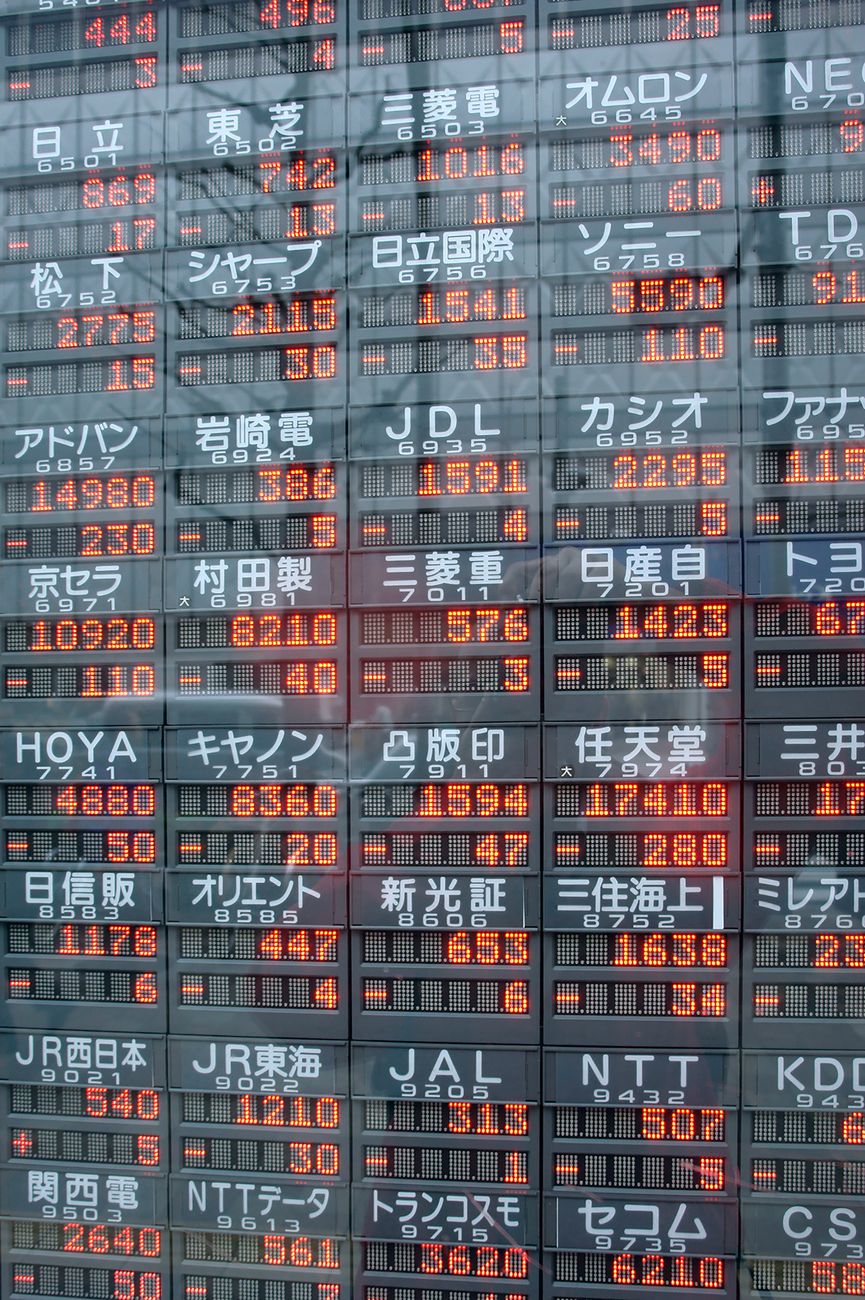


Global Semiconductor Stocks came under heavy selling pressure on July 28 as concerns over AI investment, rising competition from Chinese chipmakers and crowded positions triggered a broad market sell-off. The weakness hit Asian markets, European chip stocks and U.S. technology futures, while Indian IT stocks continued to outperform.
Global Semiconductor Stocks Lead Sharp Asian Market Decline
South Korea’s KOSPI plunged 10.84% to 6,023, with Samsung Electronics falling 13.4%, its biggest one-day drop in 18 years, and SK Hynix tumbling 14.65%, leaving the stock roughly half its June high. Japan’s Nikkei and Taiwan’s TAIEX each declined around 4%, while the MSCI Asia Pacific Index fell as much as 3.5% and moved more than 10% below its June 22 high, signalling a technical correction.
Several South Korean media reports linked the sell-off to the IPO of China’s largest semiconductor company, ChangXin Memory. China’s CXMT surged about 470% in its Shanghai debut, becoming China’s most valuable listed company and raising competition fears in the memory chip sector.
Investors fear the funds raised could accelerate competition with Samsung Electronics, SK Hynix and Micron. Peter Alexander of Z-Ben Advisors told CNBC that ChangXin could rapidly gain share in the lower-end memory market before expanding further.
The weakness spread globally. ASML fell 1.9%, ASM International dropped 2.9%, Infineon lost 2.3% and STMicroelectronics declined 1.7%. Nasdaq-100 futures were down 0.9%, while Citigroup data showed Nasdaq-100 long positions remain underwater, raising the risk of additional pullbacks.
NVIDIA is driving more than $750 billion of AI-related deals, though critics say the pace may be inflating demand and valuations. Vey-Sern Ling said sentiment has shifted from greed to fear, with investors increasingly using news as a trigger to sell AI-related semiconductor stocks.
The KOSPI’s 60-day correlation with the Nasdaq-100 has climbed to around 0.50, its highest level since 2021. According to Futurum Group, Samsung Electronics and SK Hynix account for more than half of the KOSPI’s weight, making the index a proxy for global semiconductor and AI investment trends.
ING Chief Investment Strategist Vincent Juvyns said trimming semiconductor positions is reasonable for profit-taking and diversification but still recommends maintaining exposure because of the sector’s multi-year earnings outlook. The Monetary Authority of Singapore (MAS) also warned that uncertainty around large-scale AI investment poses risks to global growth, inflation and financial stability.
In contrast, India’s NIFTY IT Index has risen 16% month-to-date, while the MSCI Global Semiconductors & Equipment Index has fallen 13%, reflecting a rotation into Indian IT services. Jefferies upgraded the India IT sector to Neutral, saying a reversal in AI-related flows could trigger a temporary rally. Meanwhile, Seibro data showed South Korean investors bought USD 3.58999 billion of U.S. equities during Aug. 1-27, led by the Direxion Daily Semiconductor Bull 3X ETF with USD 1.75919 billion in net inflows and SK Hynix ADRs with USD 812.38 million.