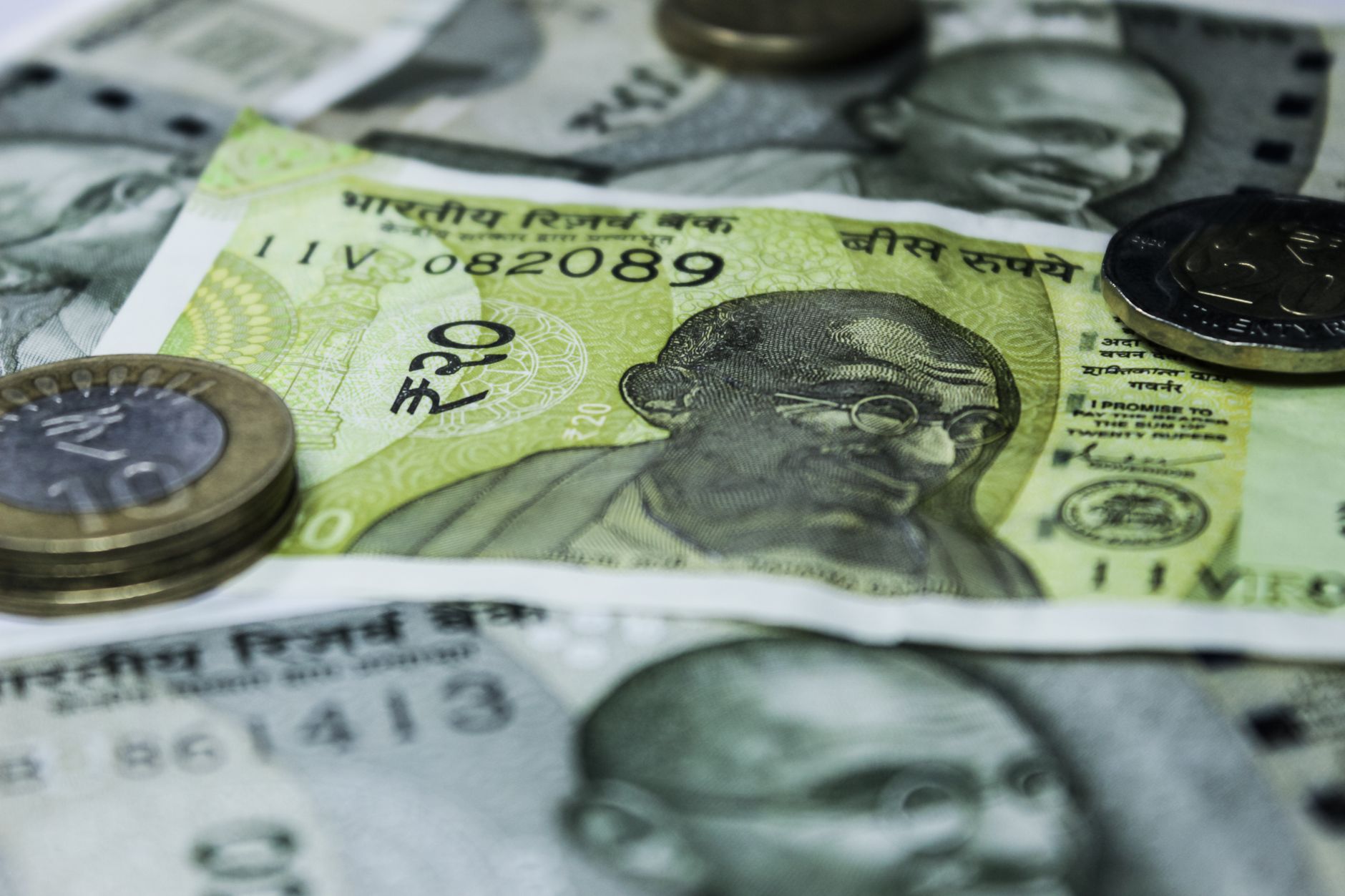


The Centre has approved the Reserve Bank of India’s proposal to begin field trials of Polymer Notes in India. Under the approved plan, the RBI will conduct trials using 1 billion pieces each of ₹10 and ₹20 polymer banknotes. If the trials are successful, the new notes may be introduced for regular circulation. The government has also clarified that there is no proposal to replace existing paper currency, and both polymer and paper banknotes will circulate together.
The decision was shared by the Ministry of Finance, Department of Economic Affairs, in a written reply to Lok Sabha Unstarred Question No. 1335, answered on July 27, 2026 (Shravana 5, 1948 Saka). The question on the Introduction of Plastic Notes was raised by Shri Ramprit Mandal and Smt. Krishna Devi Shivshankar Patel. The reply was provided by Minister of State for Finance Shri Pankaj Chaudhary.
Polymer Notes Approved for RBI Field Trials
According to the reply, the Reserve Bank of India (RBI), with the recommendation of its Central Board, submitted a proposal to the Government under Section 25 of the Reserve Bank of India Act, 1934. The proposal seeks approval for the introduction of 1 billion pieces each of ₹10 and ₹20 Polymer Notes for field trials. Following successful completion of these trials, the RBI plans to issue polymer banknotes regularly in these two denominations. The Government has approved this proposal.
The Finance Ministry also stated that the introduction of Polymer Notes is currently in a preliminary phase. The RBI informed the Government that international studies indicate polymer banknotes have a significantly longer lifespan than traditional paper banknotes. The impact of polymer notes on the digital payment ecosystem, if any, can only be assessed after their regular issuance. The RBI also noted that physical banknotes and digital payment systems are complementary payment tools available to the public.
The government further clarified that paper currency will not be withdrawn as part of this initiative. As per the RBI, Polymer Notes are proposed to be issued alongside paper substrate-based banknotes, and there is no proposal to replace paper currency with polymer substrate-based banknotes. This means both forms of currency are expected to remain in circulation if polymer notes are introduced after successful field trials.
The written reply provides the latest official position on the proposed rollout of Polymer Notes in India. At present, the approval covers only the field trial stage involving ₹10 and ₹20 denominations, with 1 billion pieces of each denomination planned for testing. The Government has confirmed that the project remains in its initial phase and that no timeline has been announced for wider circulation beyond the successful completion of field trials. It has also reiterated that existing paper banknotes will continue to remain in use, while polymer banknotes, if introduced, will function alongside them rather than replacing them.