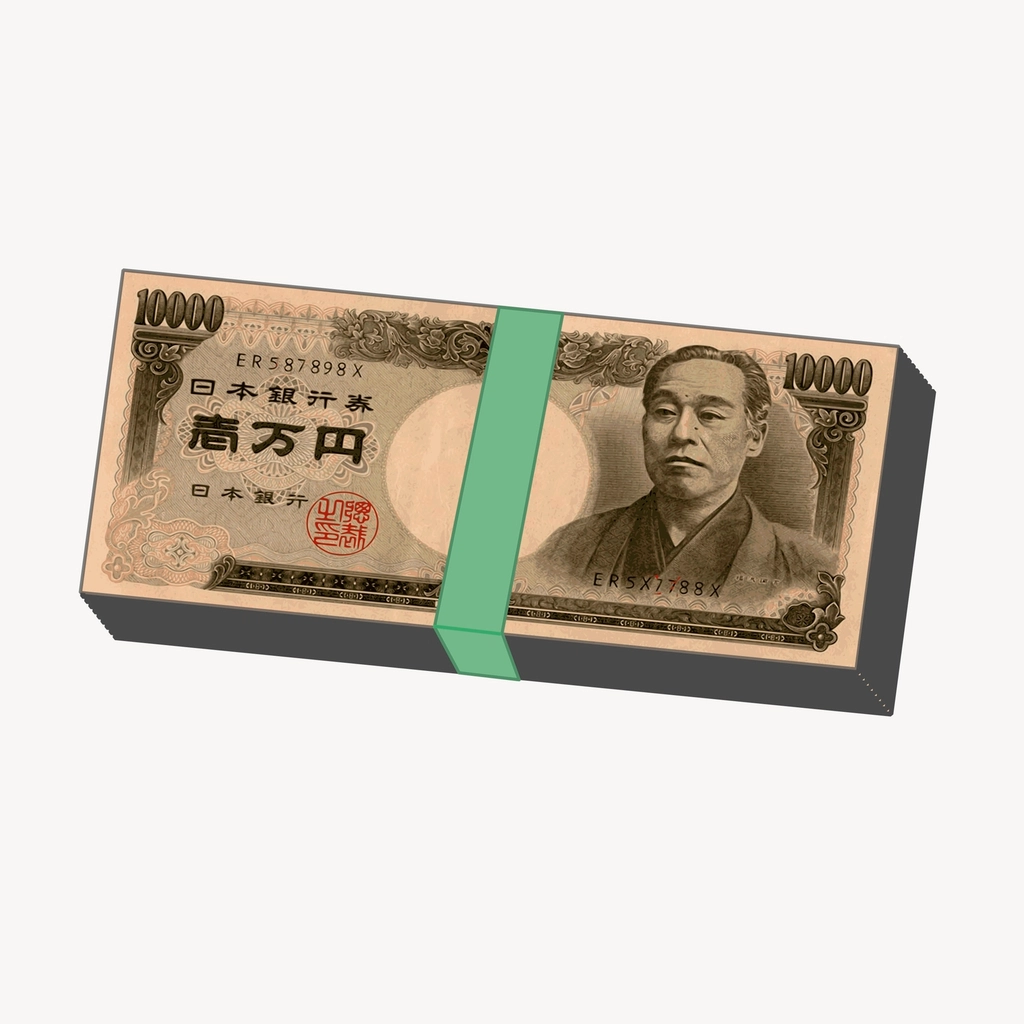
Hedge funds are once again betting against the Japanese yen, turning bearish for the first time in nearly four months. As of mid-July 2025, they are holding short futures positions worth around $1.1 billion. This move comes just before Japan’s upper house election, scheduled for July 20, and signals growing concern about the country’s political and financial stability.
What’s Happening with the Yen?
The yen has weakened sharply in July, falling 3% so far. It is currently trading at around 148.76 per U.S. dollar (based on market data from July 19). This drop has reversed earlier gains and reflects investor worries about Japan’s rising debt levels and its struggles with global trade challenges.
Why This Election Matters
This election will decide 125 of the 248 seats in Japan’s upper house of parliament. It’s a major test for Prime Minister Shigeru Ishiba’s ruling coalition, which includes the Liberal Democratic Party (LDP) and its partner Komeito. To stay in power, the coalition needs to win at least 50 more seats.
Polls suggest they might fall short, and that’s creating market uncertainty. Opposition parties, such as Sanseito, are pushing for lower consumption taxes and higher government spending. But Japan already has one of the highest debt-to-GDP ratios in the world—around 250%. More spending could lead to more bond sales, which would likely weaken the yen further.
Bond Market Showing Stress
Investors are already seeing signs of trouble in Japan’s bond market. This week, 30-year Japanese government bond (JGB) yields reached a record high of 3.20%. Yields on 10-year JGBs also climbed to 1.575%. If the opposition wins and increases spending, some analysts expect the yen to weaken further, possibly reaching 150 or even 155 against the U.S. dollar. If the current government holds its majority, the yen might strengthen and return toward 144.
Global Trade and Inflation Pressures
Japan is also facing challenges on the trade front, especially in its negotiations with the United States. Without a favorable deal, Japan’s economy could suffer more, adding to the pressure on the yen.
At the same time, inflation remains a concern. In June, Japan’s core inflation rate was 3.3%—well above the Bank of Japan’s 2% target. Still, the central bank has been hesitant to raise interest rates, worried that doing so during a politically sensitive period could create more issues. This has kept Japanese interest rates much lower than U.S. rates, encouraging investors to move money out of Japan.
Investors Brace for Turbulence
With so much uncertainty, analysts are warning of a possible “triple selloff” in Japanese assets—stocks, bonds, and the yen—if radical political parties gain power. While a weaker yen may help big exporters like Toyota and Sony by increasing their overseas profits, those gains could be wiped out by new U.S. tariffs or domestic instability.
As a result, many investors are shifting toward defensive stocks, such as healthcare, utilities, and consumer goods, which are seen as safer during volatile times.
Final Thoughts
As Japan heads into a critical election weekend, global investors are watching closely. The results will likely shape Japan’s economic policies, its currency value, and its standing in global markets. Whether the yen continues to weaken—or stabilizes—will depend heavily on what happens at the ballot box.
Update: Japan to Hold Urgent Trade Talks in U.S. to Avoid Tariffs
Japan’s chief tariff negotiator, Ryosei Akazawa, announced on Saturday that he will visit Washington next week for more high-level talks with U.S. officials. Tokyo aims to finalize a trade agreement before the August 1 deadline to prevent a 25% import tariff threatened by President Donald Trump.

BBW News Desk is the editorial team of BigBreakingWire, a digital newsroom focused on global finance, markets, geopolitics, trade policy, and macroeconomic developments.
Our editors monitor government decisions, central bank actions, international trade movements, corporate activity, and economic indicators to deliver fast, fact-based reporting for investors, professionals, and informed readers.
The BBW News Desk operates under the editorial standards of BigBreakingWire, prioritizing accuracy, verified information, and timely updates on major global developments.






















Be First to Comment