
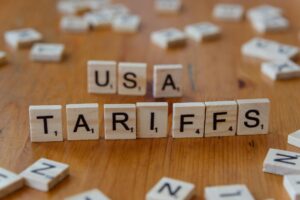
The United States Trade Representative has launched sweeping investigations into 60 major trading partners to examine whether their governments are failing to block imports of goods produced with forced labor. The investigations, initiated under Section 301 of the Trade Act of 1974, will assess whether the policies and practices of these economies are unreasonable or discriminatory and whether they burden or restrict US commerce.
The move targets a wide group of economies including India, China, the European Union, Japan, Brazil, Canada, and the United Kingdom. Officials said the investigation will focus on whether governments have taken adequate steps to prevent goods made with forced labor from entering their markets, an issue Washington says has long placed American workers and companies at a disadvantage.
The decision marks one of the broadest trade enforcement actions initiated by the United States in recent years. Section 301 investigations are a powerful trade tool that allows Washington to respond to foreign government practices that harm US commercial interests. The provision was previously used during the trade dispute between the United States and China, which resulted in tariffs on hundreds of billions of dollars worth of goods.
US Trade Representative Ambassador Jamieson Greer said the investigations are aimed at addressing a growing concern about unfair global competition linked to forced labor practices.
“Despite the international consensus against forced labor, governments have failed to impose and effectively enforce measures banning goods produced with forced labor from entering their markets. For too long, American workers and firms have been forced to compete against foreign producers who may have an artificial cost advantage gained from the scourge of forced labor,” Greer said.
He added that the investigations will evaluate whether foreign governments have taken sufficient steps to prohibit such imports and how the failure to eliminate these practices may affect US workers and businesses.
Under the process outlined by the Trade Act, the United States Trade Representative will begin consultations with the governments of the economies under investigation. The agency has already requested discussions with the affected countries. Public hearings related to the probe are scheduled for April 28, 2026.
Businesses, industry groups, and other stakeholders have been invited to submit written comments or request to appear at the hearings. Submissions must be made by April 15, along with summaries of the testimony they intend to present.
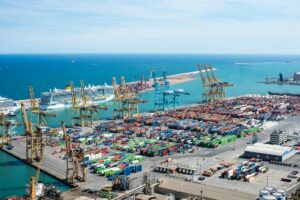
Market participants are closely watching the development because Section 301 investigations can lead to significant trade measures, including tariffs or other restrictions on imports. Such actions could affect global supply chains, particularly in industries where labor conditions have been under scrutiny such as apparel, electronics, mining, and agriculture.
Investors are also assessing the potential impact on trade relations between the United States and several large economies on the list. Countries like China, India, Vietnam, Mexico, and members of the European Union play a major role in global manufacturing and exports to the United States. Any escalation into tariffs or trade penalties could create volatility across equity markets and commodities.
Energy and commodity markets could also be indirectly affected if trade tensions disrupt industrial production or shipping flows. Analysts note that uncertainty around trade policy often influences investor sentiment, particularly in export dependent sectors such as manufacturing, technology hardware, and consumer goods.
The investigation will cover economies ranging from developed markets like Switzerland, Norway, and Australia to emerging economies including Bangladesh, Pakistan, Nigeria, and Vietnam. Several Middle Eastern producers such as Saudi Arabia, Qatar, Kuwait, and the United Arab Emirates are also included in the review.
The Trade Representative’s office said the process will involve consultation with the interagency Section 301 Committee and relevant advisory groups before determining any potential actions.
For now, the announcement signals that forced labor compliance is becoming a central issue in global trade policy. The outcome of the investigation could reshape how governments monitor supply chains and how multinational companies manage sourcing across international markets.

BBW News Desk is the editorial team of BigBreakingWire, a digital newsroom focused on global finance, markets, geopolitics, trade policy, and macroeconomic developments.
Our editors monitor government decisions, central bank actions, international trade movements, corporate activity, and economic indicators to deliver fast, fact-based reporting for investors, professionals, and informed readers.
The BBW News Desk operates under the editorial standards of BigBreakingWire, prioritizing accuracy, verified information, and timely updates on major global developments.





Be First to Comment