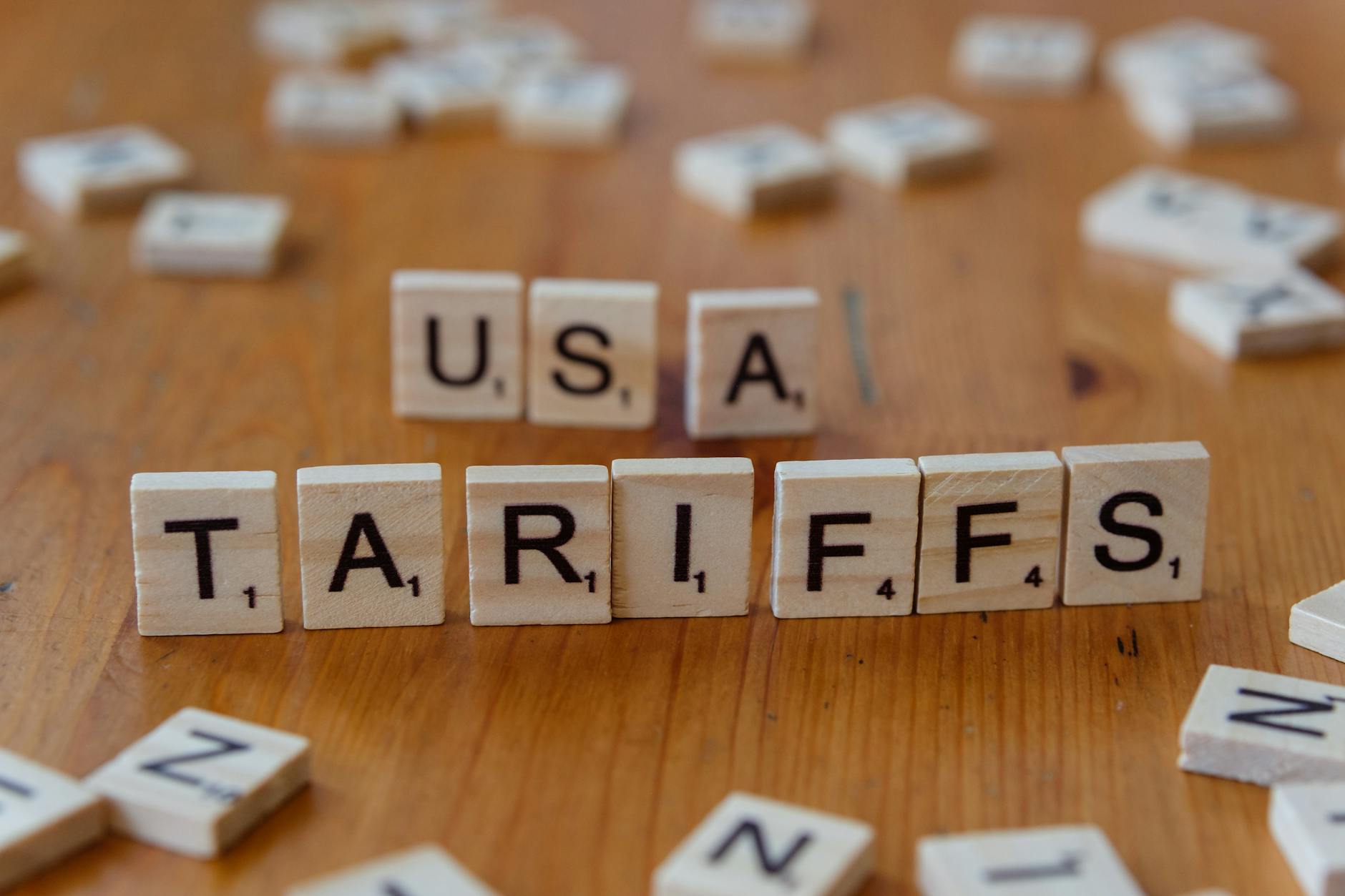
What Happened in US Pharma Tariff Policy
On April 2, 2026, the United States announced sweeping trade measures under Section 232 of the Trade Expansion Act of 1962 targeting pharmaceutical imports. The policy imposes up to 100% tariffs on patented drugs and active pharmaceutical ingredients (APIs), citing national security risks.
The tariffs will take effect from July 31, 2026 for select companies and September 29, 2026 for others. Companies committing to domestic manufacturing may face a reduced 20% tariff, which will rise to 100% by April 2, 2030.
Data from the US Food and Drug Administration shows that 53% of patented drugs are produced outside the US, while only 15% of APIs are manufactured domestically. Generic drugs are currently exempt from tariffs.
| Key Metric | Value |
| Tariff on patented drugs | 100% |
| Reduced tariff (onshoring firms) | 20% |
| Domestic production (patented drugs) | 47% |
| Domestic API production | 15% |
| Policy start date | July 31, 2026 |
Why Did US Pharma Tariff Decision Happen
The policy is driven by rising concerns over supply chain vulnerability and dependence on foreign manufacturing. The US government views pharmaceutical production as critical infrastructure, especially during geopolitical conflicts or global health emergencies.
Heavy reliance on imports exposes the country to risks such as export restrictions, logistical disruptions, and pricing pressures. Policymakers also argue that foreign government subsidies have weakened US competitiveness in pharmaceutical manufacturing.
The tariff structure is designed to incentivize companies to relocate production domestically while maintaining leverage in pricing negotiations through Most-Favored-Nation (MFN) frameworks.
| Policy Objective | Details |
| National security | Ensure drug supply in crises |
| Economic strategy | Boost domestic manufacturing |
| Trade leverage | Push MFN pricing agreements |
| Industrial policy | Reduce import dependence |
Bigger Context in Economy and Geopolitics
The move reflects a broader shift toward economic nationalism and strategic decoupling in critical sectors. Pharmaceuticals now join semiconductors and energy as industries subject to national security-driven trade policies.
The decision also aligns with ongoing geopolitical tensions and supply chain realignments post-pandemic. Countries such as India and China dominate global API production, making them central to the global pharma ecosystem.
Simultaneously, the US is coordinating with allies like the European Union, Japan, and the United Kingdom to establish trade frameworks that balance supply security with cost efficiency.
| Global Context Factor | Impact |
| Supply chain disruptions | Increased policy intervention |
| China API dominance | Strategic dependency concerns |
| Allied trade deals | Differential tariff structures |
| Post-pandemic strategy | Reshoring critical industries |
Impact on Markets, Companies, and Economy
The policy is expected to raise drug prices in the short term due to higher import costs. Pharmaceutical companies with global manufacturing footprints may face margin pressure or be forced to restructure supply chains.
Indian pharmaceutical exporters, which supply a significant share of APIs and generics globally, could see mixed effects. While generic exports remain unaffected, patented drug segments may face reduced competitiveness in the US market.
US-based manufacturers and contract development firms could benefit from increased investment flows, while healthcare providers may face cost inflation. Equity markets may see sector-specific volatility, particularly in pharma and biotech stocks.
What Happens Next
The US government has initiated a 90-day negotiation window to finalize agreements with pharmaceutical companies and trade partners. Companies opting for onshoring will need to meet strict compliance and reporting requirements.
Over the next 1 year, authorities will also review whether similar measures should apply to generic drugs. Market participants will closely track policy adjustments, exemptions, and enforcement mechanisms.
The long-term outcome will depend on whether domestic manufacturing can scale efficiently without significantly increasing healthcare costs.
Frequently Asked Questions
What tariff has the US imposed on pharma imports?
The US has imposed up to 100% tariffs on patented pharmaceuticals and APIs starting July 2026.
Are generic drugs affected?
No, generic pharmaceuticals and biosimilars are currently exempt from these tariffs.
Which countries are impacted?
All exporting countries are affected, but allies like the EU, Japan, and UK may receive lower tariff rates.
What is the goal of this policy?
The aim is to reduce import dependence, strengthen domestic manufacturing, and improve supply chain security.
The policy signals a structural shift in US trade and industrial strategy. While it may strengthen domestic capacity over time, near-term disruptions in pricing and supply chains are likely to shape global pharmaceutical markets.

BBW News Desk is the editorial team of BigBreakingWire, a digital newsroom focused on global finance, markets, geopolitics, trade policy, and macroeconomic developments.
Our editors monitor government decisions, central bank actions, international trade movements, corporate activity, and economic indicators to deliver fast, fact-based reporting for investors, professionals, and informed readers.
The BBW News Desk operates under the editorial standards of BigBreakingWire, prioritizing accuracy, verified information, and timely updates on major global developments.









Be First to Comment