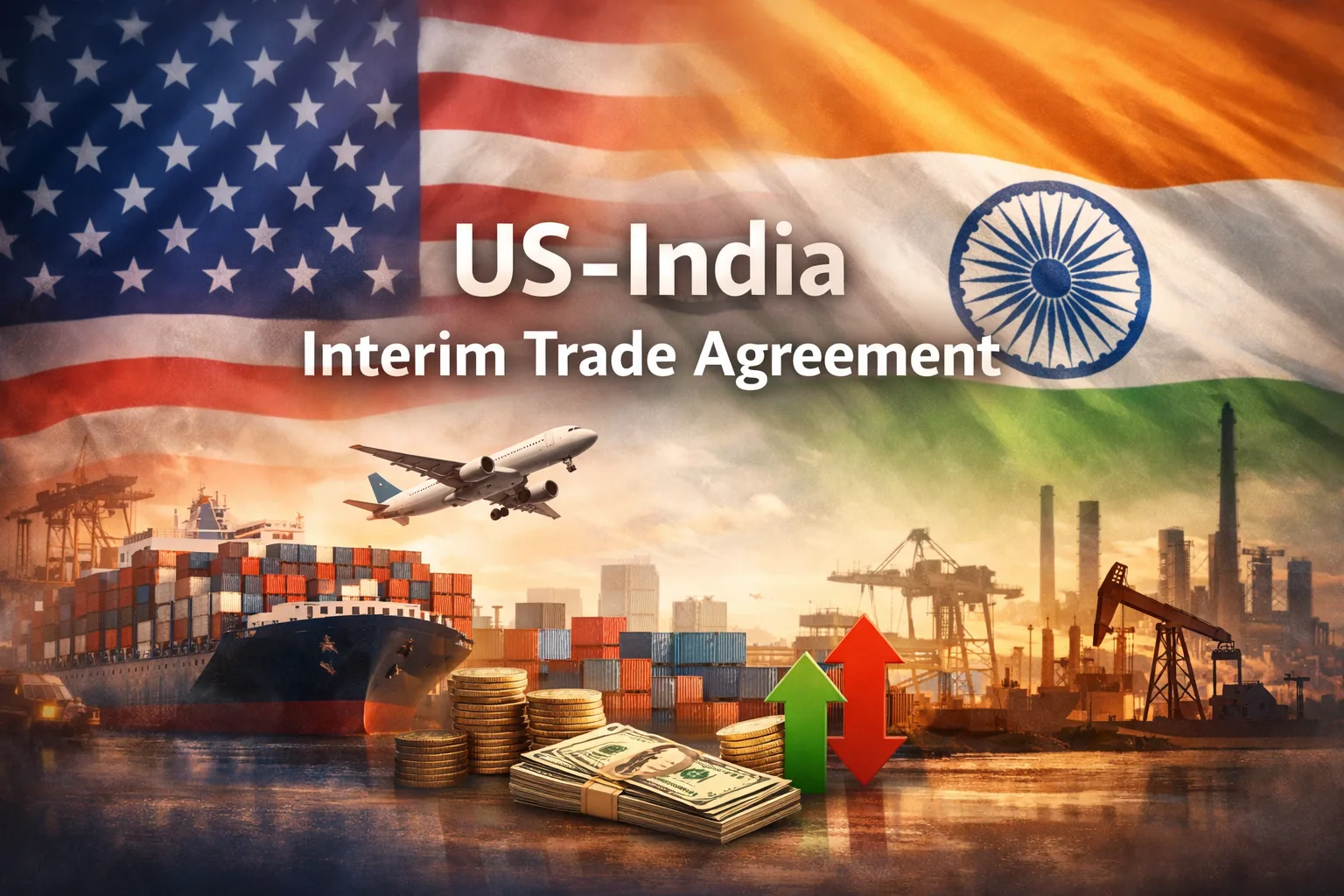
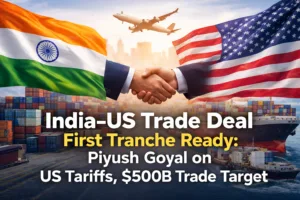
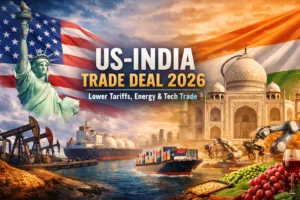
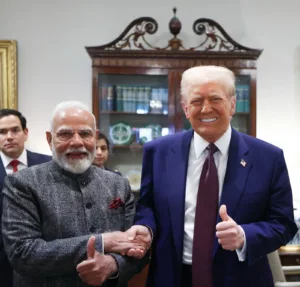
The United States and India have agreed on a framework for a new Interim Trade Agreement. This step strengthens trade ties and moves both countries closer to a full U.S.-India Bilateral Trade Agreement.
What Is the US-India Interim Trade Agreement?
The Interim Agreement is a temporary but major trade deal between the two countries. It focuses on balanced trade, better market access, and stronger supply chains. It also supports long-term negotiations for a broader trade agreement.
Why Is This Agreement Important?
This framework is described as a historic milestone. It shows both countries want fair and reciprocal trade. It also aims to reduce trade barriers and improve economic cooperation in key sectors like energy, technology, agriculture, and manufacturing.
What Tariff Changes Will India Make?
India will remove or cut tariffs on many U.S. goods, including:
- Industrial products
- Animal feed ingredients like dried distillers grains and red sorghum
- Tree nuts and fruits
- Soybean oil
- Wine and spirits
- Other agricultural goods
What Tariff Changes Will the United States Make?
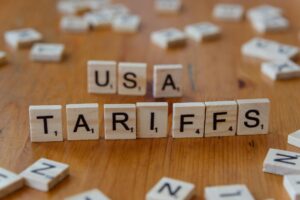
The U.S. will apply an 18% reciprocal tariff on certain Indian goods. These include:
- Textiles and clothing
- Leather and footwear
- Plastic and rubber products
- Organic chemicals
- Home décor and artisanal products
- Some machinery
However, the U.S. plans to remove tariffs on many other Indian goods once the deal is finalized. These may include:
- Generic medicines
- Gems and diamonds
- Aircraft parts
What About Aircraft and Auto Parts?
The U.S. will remove national security tariffs on certain aircraft and aircraft parts from India. India will receive a special tariff rate quota for automotive parts under U.S. national security rules.
Will Non-Tariff Barriers Be Reduced?
Yes. India has agreed to address long-standing trade barriers affecting U.S. products. These include:
- Medical devices market access
- Import licensing delays for ICT goods
- Standards and testing rules for U.S. exports
- Restrictions affecting U.S. food and farm products
What Are Rules of Origin?
The agreement will include rules of origin. These rules ensure that trade benefits mainly go to U.S. and Indian producers, not third countries.
How Will Digital Trade Be Handled?
Both countries will work on fair and modern digital trade rules. They will address practices that restrict digital trade and create a clear path for future digital agreements.
How Will Supply Chains Be Strengthened?
The U.S. and India will align on economic security. They plan to cooperate on supply chain resilience, investment reviews, and export controls. The goal is to reduce dependence on risky external sources.
What Will India Buy From the United States?
India intends to purchase $500 billion worth of U.S. goods over five years. These include:
- Energy products
- Aircraft and aircraft parts
- Precious metals
- Technology products
- Coking coal
Trade in advanced technology, including GPUs and data center equipment, will also grow.
US Order Signals Possible Tariff Action Linked to Russian Oil Imports
A new U.S. executive order outlines steps to address trade and national security concerns tied to Russian oil. The document authorizes U.S. officials to monitor whether India resumes directly or indirectly importing oil from the Russian Federation. The order is based on existing U.S. laws related to emergency economic powers, national emergencies, and trade regulations.
Under the order, the U.S. Secretary of Commerce will track developments and coordinate with other senior officials. If India is found to have restarted such imports, key departments including State, Treasury, Homeland Security, and trade authorities will review the situation and advise the President on next steps. One potential outcome mentioned is the reimposition of an additional 25% duty on certain imports from India.
However, the order also notes a key policy shift. President Donald Trump determined that India has taken significant steps to align with U.S. expectations. India has committed to stop directly or indirectly importing Russian oil and has indicated it will increase energy purchases from the United States. Based on these assurances, the U.S. administration decided not to reimpose the additional 25% tariff penalty at this stage. The move shows how energy policy, geopolitics, and trade decisions are now closely linked in U.S.–India economic relations.
What Happens Next?
Both countries will quickly work to finalize the Interim Agreement. At the same time, they will continue negotiations for a full Bilateral Trade Agreement that could further lower tariffs and expand market access.
Key Takeaway
The U.S.-India Interim Trade Agreement framework is a major step toward deeper economic cooperation. It reduces trade barriers, improves market access, strengthens supply chains, and expands trade in energy, agriculture, and technology.
India says US oil and gas buys are strategic, not trade deal pressure move
India is buying crude oil, LNG and LPG from the US purely in its strategic and commercial interest, Commerce Minister Piyush Goyal said. He stressed the shift is part of diversifying India’s energy basket, not a condition of any interim trade pact with the United States.

BBW News Desk is the editorial team of BigBreakingWire, a digital newsroom focused on global finance, markets, geopolitics, trade policy, and macroeconomic developments.
Our editors monitor government decisions, central bank actions, international trade movements, corporate activity, and economic indicators to deliver fast, fact-based reporting for investors, professionals, and informed readers.
The BBW News Desk operates under the editorial standards of BigBreakingWire, prioritizing accuracy, verified information, and timely updates on major global developments.














Be First to Comment