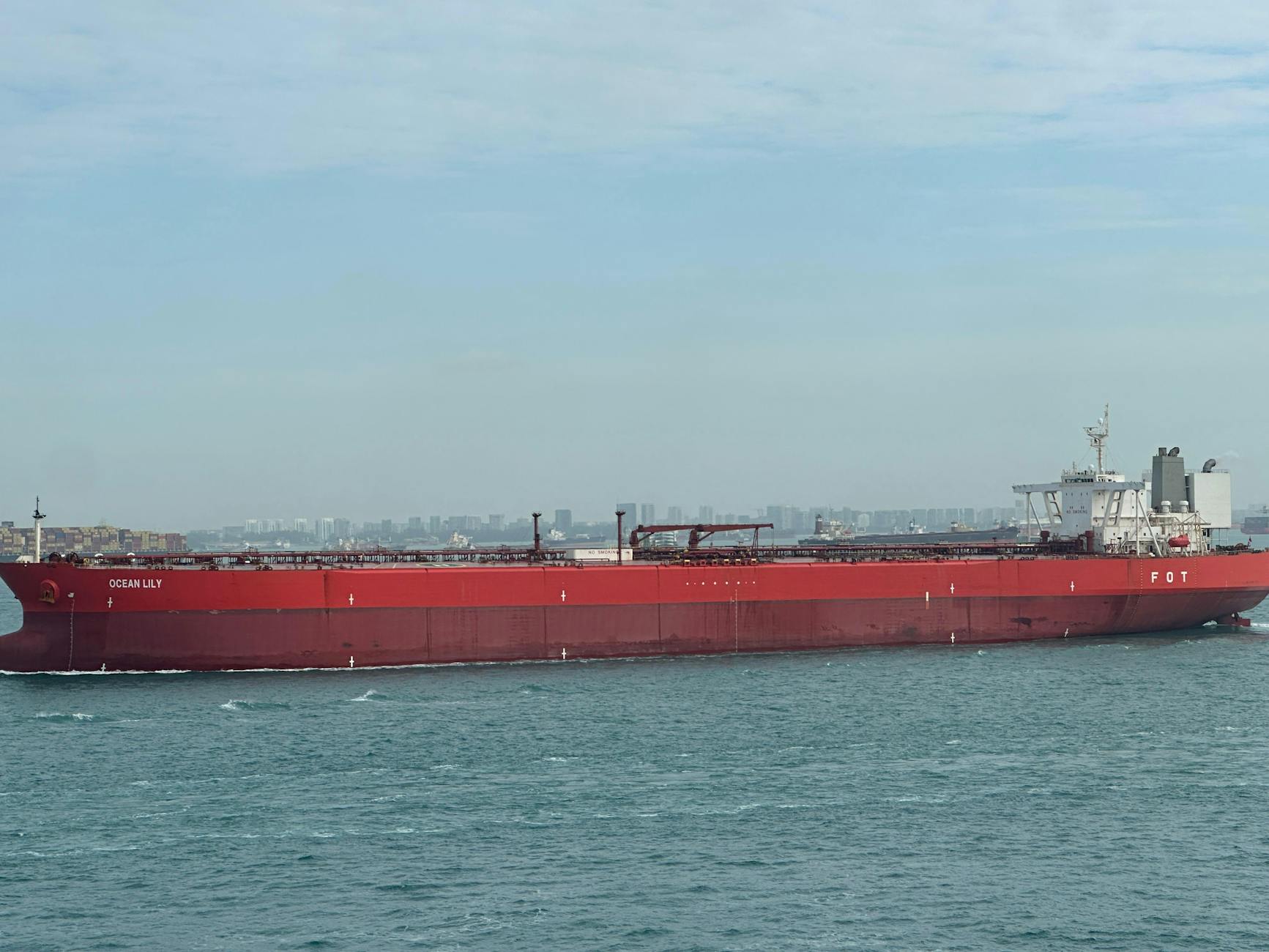
The United States has taken a significant step to stabilize global energy markets by allowing the temporary sale of Iranian oil that is currently stranded at sea. The move comes as part of a broader strategy under President Donald Trump’s Operation Epic Fury, aimed at countering Iran while easing supply pressures in global oil markets.
The US Treasury Department issued a narrowly tailored authorization permitting the delivery and sale of Iranian origin crude oil and petroleum products that were already loaded on vessels before March 20, 2026. This authorization will remain valid until April 19, 2026, and is designed to unlock existing supply without enabling fresh production or new trade flows.
US Treasury Secretary described Iran as “the head of the snake for global terrorism” and said the administration is accelerating efforts to weaken Tehran’s influence. He added that the United States is using both economic and military tools to ensure global energy stability while maintaining pressure on Iran.
According to the statement, nearly 140 million barrels of oil currently held in floating storage will be released into global markets. This is expected to increase supply in the short term and ease concerns over disruptions linked to tensions around key energy routes such aa the Strait of Hormuz.
Oil markets are likely to react positively to the additional supply, as traders have been closely watching geopolitical risks tied to Iran’s actions. Increased availability of crude could help moderate prices, especially after recent volatility driven by fears of supply disruptions. Lower oil prices generally support global growth by reducing input costs for industries and easing inflationary pressures.
Equity markets may also see some relief, particularly in sectors sensitive to energy costs such as manufacturing, aviation, and logistics. Lower fuel prices can improve margins and support broader investor confidence. At the same time, energy companies could face some pressure if oil prices soften due to the added supply.
Bond markets may respond to the development through shifting inflation expectations. If oil prices stabilize or decline, it could reduce concerns about persistent inflation, potentially supporting government bond prices. Investors will closely monitor how this move interacts with broader macroeconomic trends.
The Treasury emphasized that the authorization is strictly limited. It applies only to oil already in transit and does not permit new purchases or increased production from Iran. In addition, Iran is expected to face challenges in accessing any revenue generated from these sales, as existing financial sanctions remain firmly in place.
The policy also aims to counter the accumulation of discounted Iranian oil by China. Officials noted that sanctioned oil has been stockpiled at lower prices, and releasing it into global markets could help rebalance supply dynamics while reducing Tehran’s leverage.
So far, the administration claims to have worked toward bringing approximately 440 million additional barrels into global markets. This broader effort is intended to offset disruptions and ensure that energy supply remains sufficient despite ongoing geopolitical tensions.
The Office of Foreign Assets Control clarified that the authorization includes activities necessary for the safe transport and handling of oil shipments. These include vessel operations, crew safety measures, emergency repairs, and environmental protection efforts. However, transactions involving certain restricted regions and entities remain prohibited.
The move highlights a dual strategy by the United States. On one hand, it continues to apply maximum economic pressure on Iran through sanctions. On the other hand, it is selectively allowing limited flexibility to prevent global energy shortages and maintain market stability.
Officials also pointed to strong domestic energy production as a key factor supporting this approach. Record levels of US oil and gas output have strengthened energy security and provided the administration with greater flexibility to manage global supply shocks.
Looking ahead, investors will closely track how this temporary measure impacts oil prices and broader financial markets. The balance between geopolitical risk and supply expansion will remain a key driver of sentiment in the coming weeks.
Update: India may restart Iran oil imports after 5 years as US gives 30-day waiver
Indian refiners are planning to resume buying Iranian crude for the first time since 2019 after the US issued a 30-day sanctions waiver on oil already at sea. This comes as global oil prices have surged above $100 per barrel.
The waiver, the third in just 2 weeks, is aimed at easing supply pressures during the ongoing US-Israel conflict with Iran. Around 170 million barrels of Iranian crude are currently stuck on tankers worldwide.
Refiners are now waiting for government guidance on payment mechanisms and compliance rules before proceeding with any purchases.
Iran Denies US Claim on Oil Sales
Iran’s Oil Ministry has rejected comments by US Treasury Secretary Scott Bessent, who claimed Washington eased sanctions to allow Tehran to sell oil stored at sea.
The ministry called the statement a “psychological ploy” and clarified that Iran has no crude oil stored offshore or waiting to enter global markets.
Spokesperson Saman Ghodousi said Iran currently has no surplus oil available for international buyers, dismissing the US remarks as an attempt to influence market sentiment.
Earlier, the Trump administration had announced a 30-day waiver on sanctions for Iranian oil already at sea, aiming to cool rising global oil prices amid the ongoing conflict.

BBW News Desk is the editorial team of BigBreakingWire, a digital newsroom focused on global finance, markets, geopolitics, trade policy, and macroeconomic developments.
Our editors monitor government decisions, central bank actions, international trade movements, corporate activity, and economic indicators to deliver fast, fact-based reporting for investors, professionals, and informed readers.
The BBW News Desk operates under the editorial standards of BigBreakingWire, prioritizing accuracy, verified information, and timely updates on major global developments.









Be First to Comment