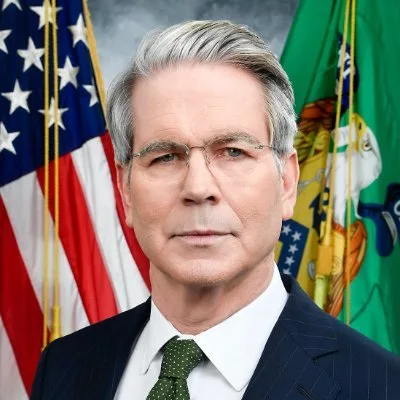
The United States is allowing Iranian oil tankers to pass through the Strait of Hormuz in an effort to maintain global energy supply during rising geopolitical tensions in the Persian Gulf. US Treasury Secretary Scott Bessent said in an interview with CNBC on Monday that Washington is currently comfortable with tanker movements through the key shipping route as the world faces a significant supply shortfall.
The comments come at a time when global oil markets are closely watching developments in the Gulf region. The Strait of Hormuz is one of the most important energy corridors in the world and any disruption to shipping through the narrow passage can have immediate consequences for global oil prices and investor sentiment.
Bessent explained that tanker traffic through the strait had recently declined after Iranian attacks on commercial vessels in the Persian Gulf. Despite the decline in ship movements, Iran continues to export a substantial amount of crude oil through the route.
According to Bessent, Iran is still exporting roughly 1.5 million barrels of oil per day through the strait. This volume remains significant for global energy markets, particularly at a time when supply balances are under pressure.
He also noted that the United States has recently observed an increase in tanker activity in the region. Fuel ships from several countries are currently moving through the strait, including vessels linked to India, Iran, and China. Some tankers carrying oil toward India and possibly China have already departed the Gulf.
Market participants are watching these developments closely because shipping flows through the Strait of Hormuz influence global crude supply. Any slowdown in shipments can quickly tighten supply and push oil prices higher.
Bessent said the US government expects traffic to increase further in the coming period. However, he added that the rise in tanker movements could happen before US and allied naval forces begin escorting commercial ships in the region.
The potential involvement of naval escorts highlights the growing security concerns surrounding energy shipments in the Gulf. Shipping companies and energy traders have been cautious as tensions remain elevated.
Bessent also revealed that there are about 140 million barrels of Iranian oil currently floating on tankers at sea. Floating storage has often been used by exporters during periods of uncertainty when shipments face delays or restrictions.
The presence of such a large volume of oil stored on ships suggests that a significant amount of crude could enter the market once shipping routes become more stable.
At the same time, the Gulf region is facing a major supply imbalance. Bessent said the region currently has a supply deficit estimated between 10 and 14 million barrels per day. This gap between supply and demand is one of the key reasons the United States is allowing tankers to move through the strait.
Keeping the shipping route open is essential for stabilizing global energy markets. The Strait of Hormuz connects major oil producing countries in the Middle East with customers across Asia and other parts of the world.
Bessent indicated that Washington is comfortable with the current tanker activity. He said the United States is “fine” with the movement of oil shipments and expects a natural reopening of the Strait of Hormuz as Iran allows more vessels to exit the region.
However, he made clear that the broader objective of the United States remains focused on limiting Iran’s military capabilities. According to Bessent, ongoing bombing campaigns are now targeting Iranian factories as part of a wider strategy to weaken the country’s ability to rebuild its military capacity.
The combination of military pressure and continued oil exports highlights the complex balance between geopolitical strategy and global energy stability.
Oil markets have been particularly sensitive to developments in the Gulf. Any escalation in tensions around the Strait of Hormuz can trigger sharp moves in crude prices because nearly one fifth of the world’s oil supply passes through the corridor.
Despite the risks, Bessent said oil prices could actually move lower in the coming months. He suggested that crude prices could fall much lower than 80 dollars per barrel within a couple of months if supply conditions improve.
Such a decline would offer relief for global economies that have been dealing with elevated energy costs. Lower oil prices could also ease inflation pressures in many countries.
At the same time, Bessent warned that a major spike in oil prices would have broader geopolitical consequences. If crude prices were to surge toward 150 dollars per barrel, it would significantly benefit Russian President Vladimir Putin by increasing Russia’s energy revenues.
Russia remains one of the world’s largest energy exporters and higher oil prices typically strengthen its fiscal position.
Bessent also addressed questions about whether the United States might intervene directly in oil markets. He said Washington has not intervened and it remains unclear under what authority such action would occur.
According to Bessent, any possible steps aimed at managing oil prices would depend largely on how long the current conflict involving Iran continues.
For now, investors across global markets are watching tanker movements in the Strait of Hormuz as one of the most important indicators of energy supply stability.
The flow of oil through the strait will likely remain a central factor shaping oil prices, geopolitical risk premiums, and market sentiment in the weeks ahead.

BBW News Desk is the editorial team of BigBreakingWire, a digital newsroom focused on global finance, markets, geopolitics, trade policy, and macroeconomic developments.
Our editors monitor government decisions, central bank actions, international trade movements, corporate activity, and economic indicators to deliver fast, fact-based reporting for investors, professionals, and informed readers.
The BBW News Desk operates under the editorial standards of BigBreakingWire, prioritizing accuracy, verified information, and timely updates on major global developments.





Be First to Comment