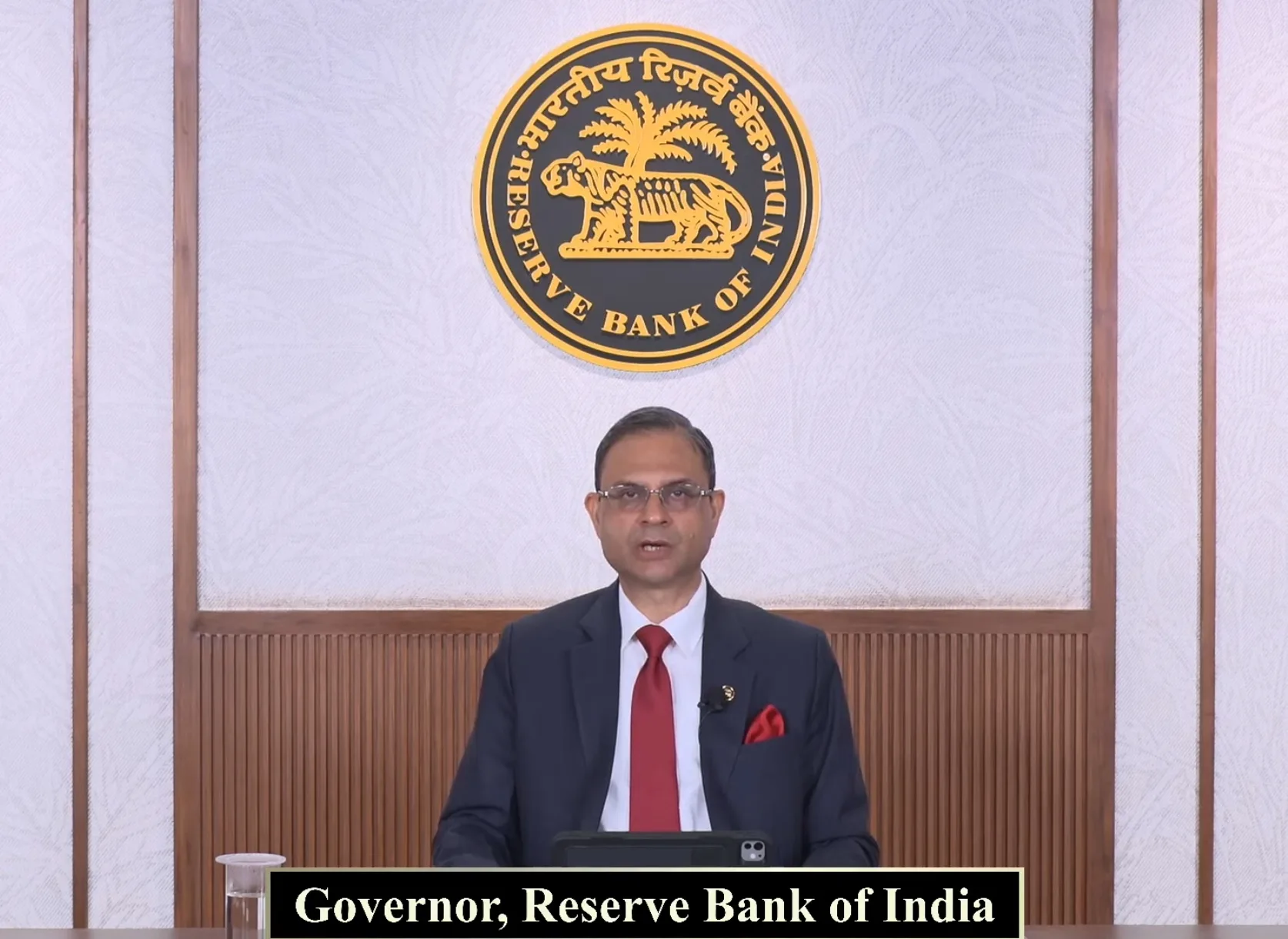
The Reserve Bank of India Monetary Policy Committee has kept the policy repo rate unchanged at 5.25%. The decision was taken during the February 4–6, 2026 meeting. The central bank said current economic conditions support stability, while growth remains steady and inflation is under control.
What did RBI decide in February 2026?
- Repo rate remains at 5.25%
- Standing Deposit Facility rate stays at 5.00%
- Marginal Standing Facility and Bank Rate remain at 5.50%
- Policy stance continues as Neutral
This means RBI is not tightening or easing policy aggressively. It wants to watch how growth and inflation move before changing rates.
Why did RBI keep rates unchanged?
The Monetary Policy Committee said India’s economy is stable. Growth is supported by strong domestic demand, healthy bank lending, and government spending. Inflation has eased and remains near the target range.
Global risks like geopolitical tensions and financial market volatility still exist. Because of this uncertainty, RBI chose stability over sudden policy changes.
What is India’s GDP growth forecast?
RBI said economic growth remains resilient.
- FY 2025–26 real GDP growth estimate: 7.4%
- Q1 2026–27 growth projection: 6.9%
- Q2 2026–27 growth projection: 7.0%
Growth is being driven mainly by services, strong rural activity, manufacturing recovery, and rising private investment. However, imports are higher than exports, which is a drag on growth.
What is the inflation outlook?
Retail inflation remains low compared to previous highs.
- Recent headline CPI inflation: 0.7% in November and 1.3% in December 2025
- Core inflation (excluding food and fuel): around 2.6%
- FY 2025–26 CPI inflation forecast: 2.1%
- Q1 2026–27 inflation projection: 4.0%
- Q2 2026–27 inflation projection: 4.2%
Food supply is improving due to good crop prospects. However, global metal prices and geopolitical risks could push prices higher later.
Is RBI worried about inflation rising again?
Yes, but risks are balanced. RBI expects inflation to rise slightly in early 2026–27 because of base effects and global price movements. Still, underlying inflation pressure remains mild.
What does the Neutral policy stance mean?
A neutral stance means RBI is ready to act in either direction. If inflation rises sharply, it can raise rates. If growth weakens, it can cut rates. For now, it sees the current rate level as appropriate.
What does this mean for loans and EMIs?
Since the repo rate is unchanged, banks are unlikely to change lending rates immediately. Home loan EMIs, personal loans, and business borrowing costs should stay stable in the short term.
What are the main risks RBI highlighted?
- Global geopolitical tensions
- Volatility in international commodity prices
- Financial market instability abroad
- Uncertain global trade environment
Despite these risks, RBI said domestic growth momentum remains strong.
When is the next RBI policy meeting?
The next Monetary Policy Committee meeting is scheduled for April 6–8, 2026. Detailed meeting minutes from the February policy will be released on February 20, 2026.
Bottom Line
RBI has chosen stability. Growth is solid. Inflation is controlled but may rise gradually. Borrowing costs remain steady for now. The central bank is watching global risks closely before making its next move.
India Not Dumping US Bonds, RBI Clarifies
Reserve Bank of India Governor Sanjay Malhotra said India is not selling its US Treasury holdings. He explained that short term daily or weekly changes only reflect movements in forex reserves, not any active decision to cut exposure to US government debt.
India’s long term US bond holdings did fall to about 174 billion dollars in November, roughly 26% lower than 2024 levels. This happened mainly because the RBI used dollar reserves at times to support the rupee. Forex reserves had dropped during that period but later recovered to around 723.8 billion dollars.
Officials also indicated that these adjustments are part of broader global portfolio shifts rather than any specific move against the US. The changes came during a phase of currency management and followed trade developments after Donald Trump reduced tariffs on India from 50% to 18%.
RBI Proposes Rs 25000 Fraud Loss Compensation Framework
Reserve Bank of India Governor Sanjay Malhotra said RBI plans a new system to compensate customers up to Rs 25000 for losses from small value fraudulent digital transactions.
RBI will also release a discussion paper to improve digital payment safety. Proposed steps include delayed credit mechanisms and extra authentication for certain users such as senior citizens.
The central bank will issue draft rules on mis-selling, loan recovery practices including recovery agents, and clearer limits on customer liability in unauthorised electronic banking transactions.

BBW News Desk is the editorial team of BigBreakingWire, a digital newsroom focused on global finance, markets, geopolitics, trade policy, and macroeconomic developments.
Our editors monitor government decisions, central bank actions, international trade movements, corporate activity, and economic indicators to deliver fast, fact-based reporting for investors, professionals, and informed readers.
The BBW News Desk operates under the editorial standards of BigBreakingWire, prioritizing accuracy, verified information, and timely updates on major global developments.















Be First to Comment