What Happened in RBI Monetary Policy
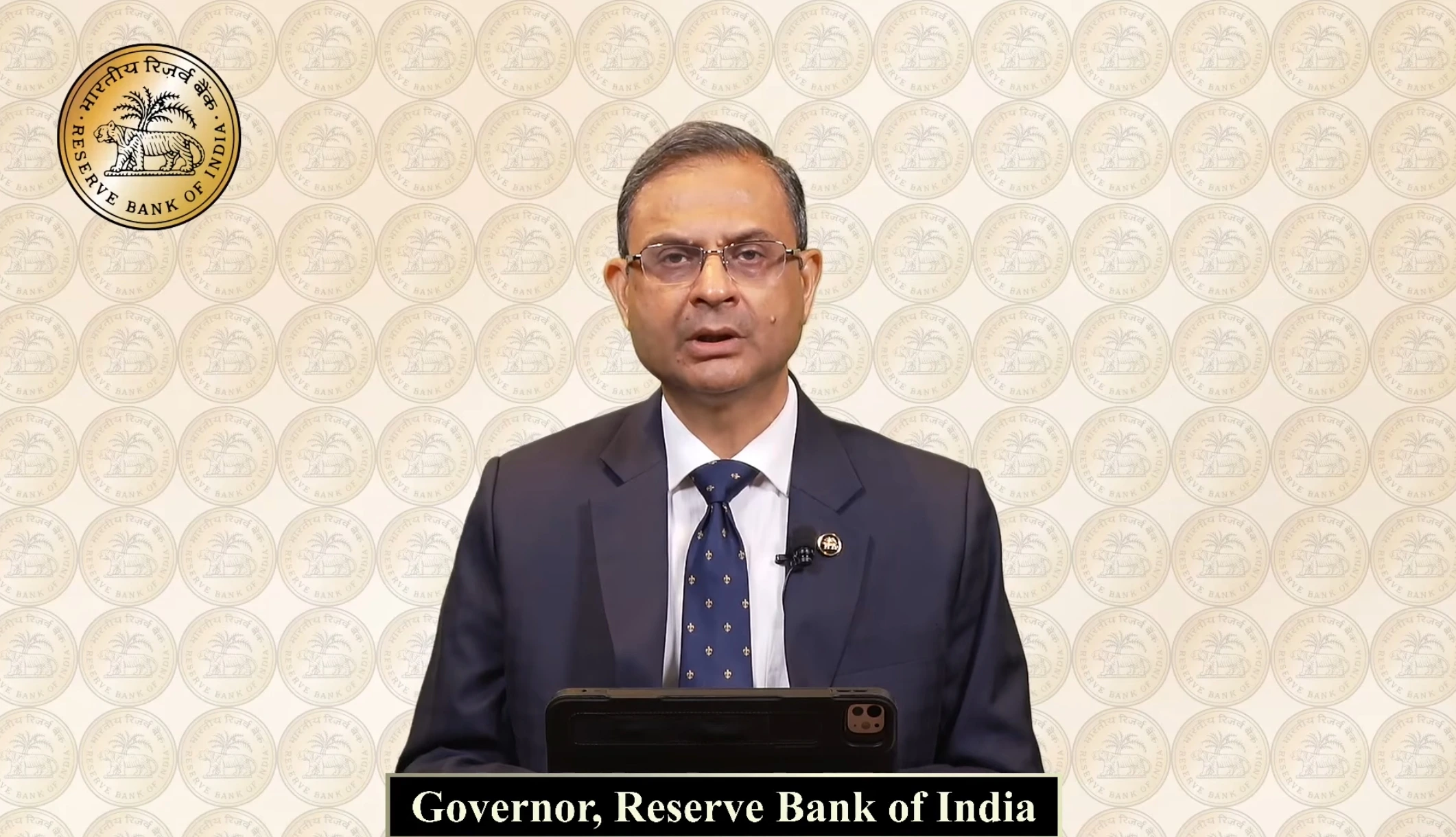
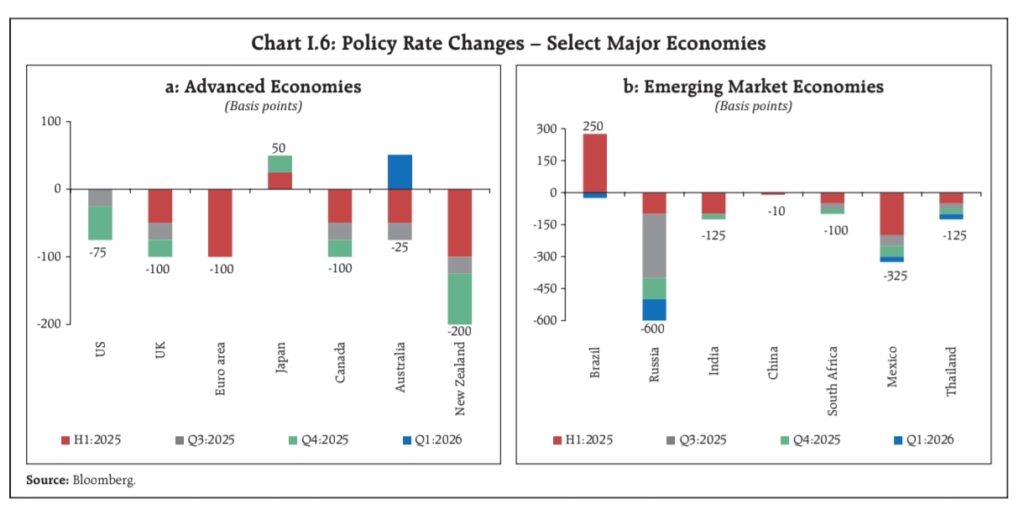
The Reserve Bank of India (RBI) kept the policy repo rate unchanged at 5.25% after its Monetary Policy Committee (MPC) meeting held between April 6-8, 2026. The central bank also maintained the neutral policy stance, signaling flexibility amid uncertain global conditions.
Key policy corridor rates remain steady, with the Standing Deposit Facility (SDF) at 5.00% and Marginal Standing Facility (MSF) and Bank Rate at 5.50%. The decision comes as inflation remains below target, while geopolitical tensions continue to intensify.
| Policy Tool | Rate |
| Repo Rate | 5.25% |
| SDF Rate | 5.00% |
| MSF Rate | 5.50% |
| Policy Stance | Neutral |
Why Did RBI Hold Rates Steady
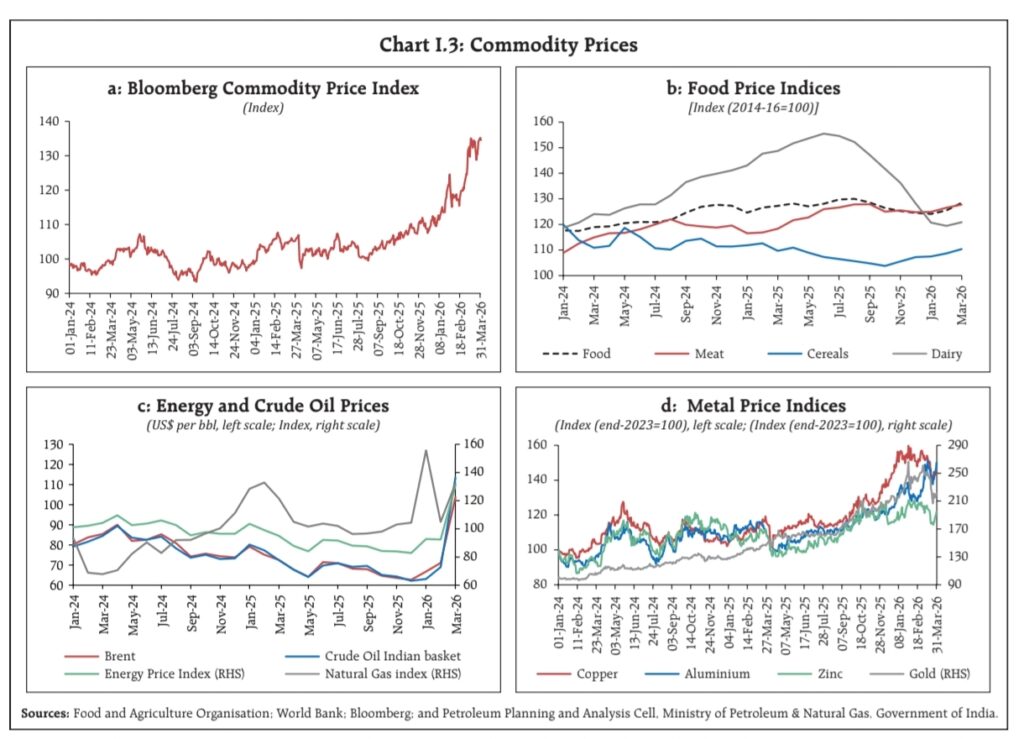
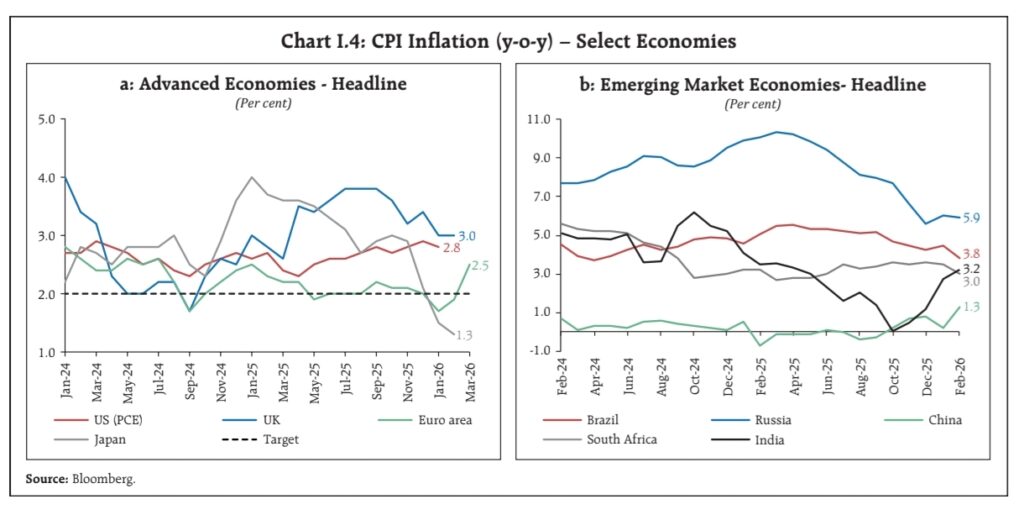
The RBI’s decision reflects a balance between controlled inflation and rising external risks. Headline inflation remained below the 4% target in early 2026, but risks are building due to higher global energy prices and potential weather disruptions such as El Niño.
Another key factor is geopolitical uncertainty, especially disruptions in the Strait of Hormuz, which could impact oil supply chains and raise imported inflation. The central bank appears cautious about tightening policy prematurely while downside risks to growth persist.
| Inflation Indicator | Value |
| Jan 2026 CPI | 2.7% |
| Feb 2026 CPI | 3.2% |
| Core Inflation | 3.7% |
| FY27 Projection | 4.6% |
Bigger Context in Economy and Geopolitics
The policy decision comes at a time when global trade and supply chains are under pressure. Ongoing tensions in West Asia are pushing up oil and freight costs, while trade route disruptions are increasing insurance premiums for shipments.
India’s economy remains relatively resilient, supported by strong domestic demand and structural reforms such as GST rationalisation and manufacturing expansion. However, export growth is under pressure due to weaker global demand and logistical challenges.
At the same time, India’s external sector remains stable, with foreign exchange reserves at $697.1 billion, providing nearly 11 months of import cover. This acts as a buffer against global volatility and capital flow fluctuations.
Impact on Markets, Companies, and Economy
The unchanged policy rate is likely to provide stability to financial markets. Equity markets may interpret this as a signal of policy continuity, especially for rate-sensitive sectors like banking, real estate, and infrastructure.
Credit growth remains strong at 14.3% year-on-year, indicating continued demand for loans from businesses and consumers. This supports investment activity, particularly in capital-intensive sectors.
However, elevated global energy prices could pressure corporate margins, especially in sectors such as aviation, logistics, and manufacturing. Export-oriented companies may also face headwinds from higher shipping costs and weaker global demand.
| Economic Indicator | Value |
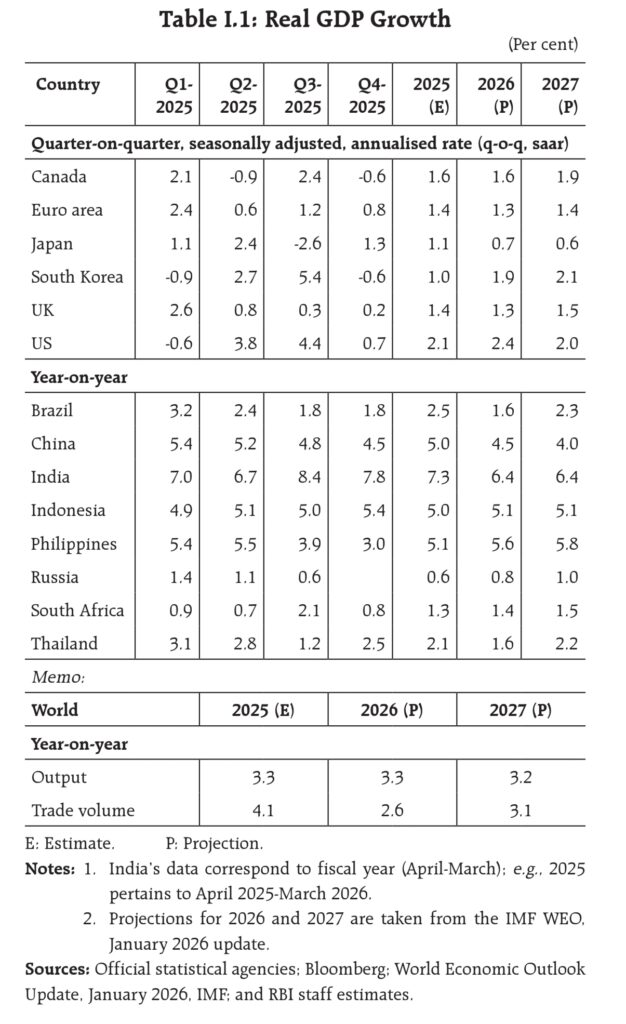
| GDP Growth FY26 | 7.6% |
| GDP Forecast FY27 | 6.9% |
| Credit Growth | 14.3% |
| Forex Reserves | $697.1B |
What Happens Next
The RBI is expected to remain data-dependent in upcoming policy meetings. If inflation stays within target and global risks stabilize, the central bank may consider easing later in 2026.
However, further escalation in geopolitical tensions, especially in energy markets, could delay any rate cuts. Growth projections for FY27 at 6.9% already reflect a moderation, suggesting the RBI is preparing for a slower global environment.
Liquidity conditions are likely to remain supportive, with the RBI signaling proactive management to ensure adequate funds for productive sectors of the economy.
Frequently Asked Questions
Why did RBI keep repo rate unchanged?
RBI held rates due to controlled inflation but rising global risks like oil prices and geopolitical tensions.
What is the current repo rate in India?
The repo rate stands at 5.25% as of April 2026.
What is India’s inflation outlook?
CPI inflation is projected at 4.6% for FY27, with risks tilted upward.
How does this affect borrowers?
Loan interest rates are likely to remain stable in the near term, supporting consumption and investment.
Conclusion
The RBI’s decision highlights a cautious policy approach in an increasingly volatile global environment. While domestic fundamentals remain strong, external shocks especially from energy markets pose significant risks.
Going forward, the trajectory of inflation and geopolitical developments will determine whether India moves toward rate cuts or maintains its current stance. For now, policy stability remains the central bank’s priority.

BBW News Desk is the editorial team of BigBreakingWire, a digital newsroom focused on global finance, markets, geopolitics, trade policy, and macroeconomic developments.
Our editors monitor government decisions, central bank actions, international trade movements, corporate activity, and economic indicators to deliver fast, fact-based reporting for investors, professionals, and informed readers.
The BBW News Desk operates under the editorial standards of BigBreakingWire, prioritizing accuracy, verified information, and timely updates on major global developments.











Be First to Comment