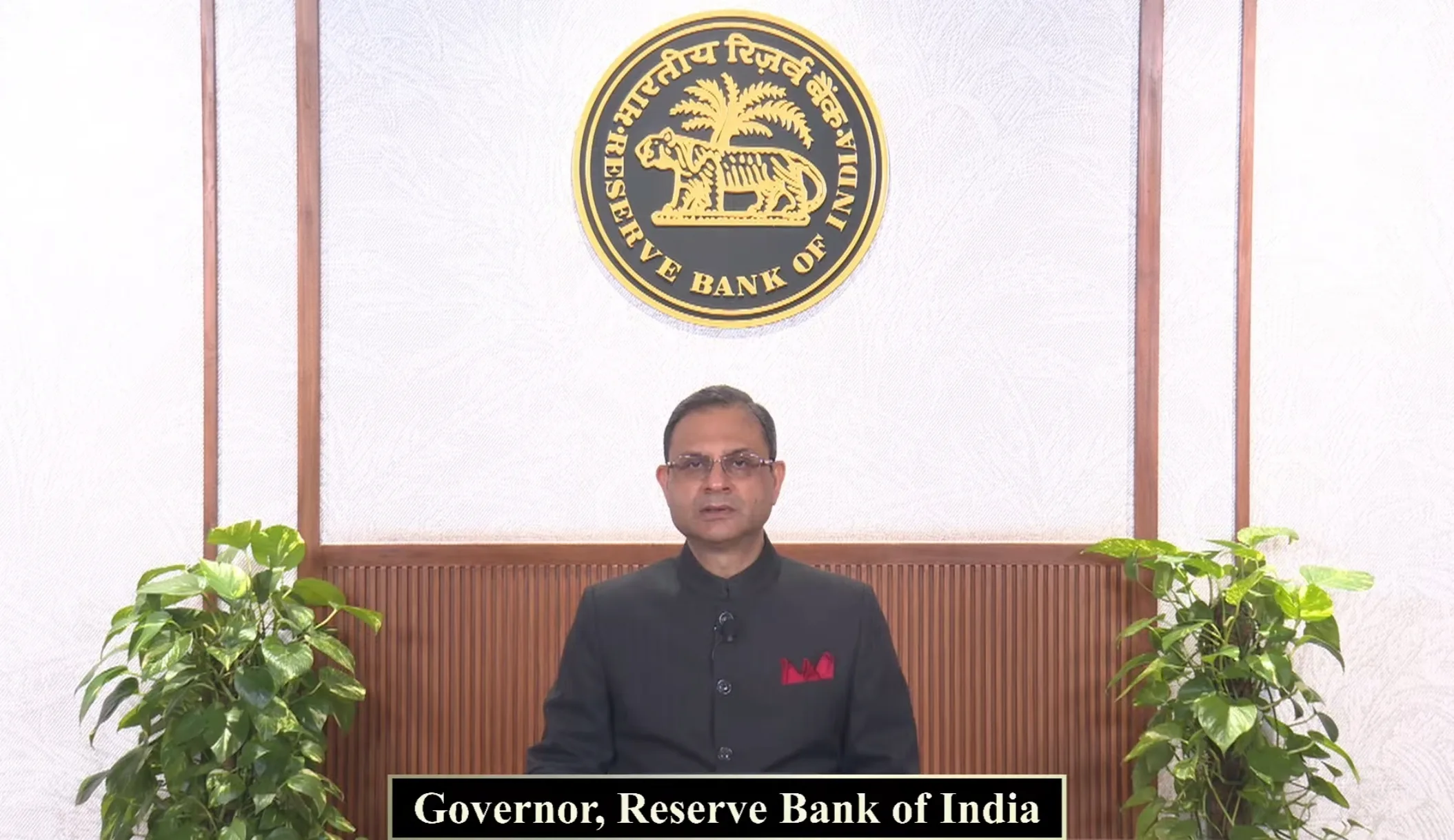
The Reserve Bank of India (RBI) has cut the key repo rate by 25 basis points, bringing it down to 5.25%. This move was widely expected as record-low retail inflation and a benign price outlook created space for additional support to India’s economic growth. With this reduction, the Monetary Policy Committee (MPC) has cut rates by a total of 125 basis points since February.
This policy decision comes at a time when inflation has shown a sharp decline, economic activity remains resilient, and growth projections continue to be strong for FY26.
Why Did RBI Cut the Repo Rate?
According to Governor Sanjay Malhotra, India has witnessed a period of rapid disinflation, with both headline and core inflation expected to remain below 4% in the first half of FY26. Retail inflation forecasts show CPI at 0.6% in Q3 and 2.9% in Q4 of FY26. This created sufficient room for the MPC to ease borrowing costs and support growth momentum.
Big Liquidity Boost: Rs 1.45 Trillion Injection
The central bank also announced a major liquidity infusion worth Rs 1.45 trillion, including:
- Rs 1 trillion in Open Market Operation (OMO) bond purchases
- A $5 billion USD/INR buy-sell FX swap
RBI said these measures will ensure durable liquidity and smooth functioning of financial markets. Liquidity in the system is currently in surplus, and both OMO and VRRR operations may run simultaneously depending on market conditions.
RBI Plans Fresh Liquidity Boost This Month
The Reserve Bank of India will inject up to $16 billion into the banking system this month through two debt purchases (on Dec 11 and Dec 18) and a three-year FX swap on Dec 16. This marks the RBI’s first OMO auction since May, when it bought bonds worth Rs 4.84 trillion between January–May. The central bank had earlier conducted $10 billion FX swaps in both February and March to add rupee liquidity.
Key Highlights from RBI’s Policy Statement
- Repo rate cut by 25 bps to 5.25%
- Standing Deposit Facility (SDF) rate set at 5%
- Inflation projections revised downward for FY26
- RBI expects FY26 GDP growth at 7.3%
- Q3 FY26 GDP growth projected at 7%
- Bank credit growth recorded at 11.4%
- Services exports expected to remain robust
- Manufacturing activity continues to improve
- Economic activity holding firm despite export headwinds
Impact on Markets: Bond Yields Fall
Following the announcement, India’s 10-year benchmark government bond yield declined as investors priced in easier monetary conditions and the upcoming OMO purchases.
What Does the Rate Cut Mean for Borrowers?
The repo rate cut could gradually lead to:
- Lower bank lending rates
- Reduced EMIs on home and auto loans
- Better credit flow to businesses
However, banks may transmit the cut over several weeks as they assess liquidity conditions and funding costs.
RBI’s Outlook on the Economy
The central bank highlighted that India remains on a high-growth trajectory. High-frequency indicators suggest strong momentum in Q3, while manufacturing and services continue to expand steadily. Merchandise exports face some challenges, but the flow of resources to the commercial sector has improved.
Frequently Asked Questions (GEO Optimized)
Why did RBI cut the repo rate?
RBI cut the rate due to rapid disinflation, a strong growth outlook, and the need to support economic activity amid global uncertainties.
What is the new repo rate in India?
The new repo rate is 5.25% after a 25 bps reduction.
How much liquidity is RBI injecting?
RBI will infuse Rs 1.45 trillion through bond purchases and a $5 billion FX swap.
What is India’s FY26 GDP growth forecast?
RBI projects GDP growth at 7.3% for FY26.
Will loan EMIs decrease after this rate cut?
Yes, EMIs may reduce gradually as banks transmit the 25 bps repo rate cut to borrowers.
Conclusion
The RBI’s latest policy combines rate cuts with significant liquidity support, reflecting confidence in India’s disinflation trend and growth momentum. With inflation easing and credit demand improving, the central bank remains focused on sustaining economic stability and supporting expansion in FY26.

BBW News Desk is the editorial team of BigBreakingWire, a digital newsroom focused on global finance, markets, geopolitics, trade policy, and macroeconomic developments.
Our editors monitor government decisions, central bank actions, international trade movements, corporate activity, and economic indicators to deliver fast, fact-based reporting for investors, professionals, and informed readers.
The BBW News Desk operates under the editorial standards of BigBreakingWire, prioritizing accuracy, verified information, and timely updates on major global developments.


























Be First to Comment