
Pakistan has proposed a two step plan aimed at ending hostilities between the United States and Iran, with the potential to reopen the Strait of Hormuz and stabilize global oil flows. According to Reuters, the proposal known as the Islamabad Accord includes an immediate ceasefire followed by a broader final agreement within 15 to 20 days. The development is significant as the Strait of Hormuz remains a critical route for global crude oil shipments.
Proposal Details and Timeline
The plan presented to both sides outlines an immediate ceasefire as the first step. This would be followed by negotiations toward a comprehensive agreement expected to be finalized within 15 to 20 days. If agreed, the proposal could come into effect as early as Monday and lead to the reopening of the Strait of Hormuz.
Pakistan has played a central role in facilitating the discussions. According to a source aware of the proposals, Pakistan’s army chief held separate calls with US Vice President J D Vance, US envoy Steve Witkoff, and Iran’s Foreign Minister Abbas Araghchi. These discussions were aimed at advancing the ceasefire framework and moving both sides toward a final agreement.
Statements from Iran
Iran has confirmed that it is reviewing the proposal but has made its position clear on key conditions. A senior Iranian official stated that Tehran will not accept any deadlines or external pressure in making its decision. The official also emphasized that reopening the Strait of Hormuz will not be linked to any temporary ceasefire.
In addition, the same official said that Iran believes the United States is not prepared for a permanent ceasefire. Iran is instead seeking a lasting agreement that includes guarantees against future attacks.
Key Terms of the Proposed Agreement
The proposal includes significant terms that would form the basis of the final agreement. According to sources cited by Reuters, Iran would commit to not pursuing nuclear weapons. In return, the United States would provide sanctions relief and facilitate the release of frozen Iranian assets.
The structure of the deal is designed as a two tier framework. The first stage focuses on halting hostilities and reopening critical energy routes. The second stage aims to secure a broader and more permanent settlement through negotiations hosted in Pakistan.
Background Context
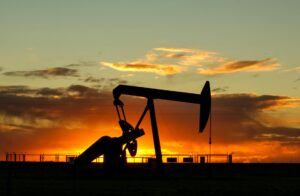
The Strait of Hormuz is a key passage for global crude oil shipments, making any disruption or reopening highly relevant for global markets. The current proposal seeks to address both immediate tensions and long term concerns surrounding Iran’s nuclear program and regional security.
Sources indicate that the plan requires agreement by Monday to move forward, highlighting the urgency of the situation. The discussions are ongoing, with both sides evaluating the terms presented by Pakistan.
Conclusion and What Next
The Islamabad Accord represents an effort to quickly deescalate tensions while laying the groundwork for a more comprehensive agreement. Iran’s stance on rejecting deadlines and insisting on guarantees remains a key factor in the outcome.
The next steps depend on whether both sides can agree to the immediate ceasefire and proceed to formal negotiations. Investors and global markets will closely watch developments around the Strait of Hormuz and the progress of talks in the coming days.
Update: Iran rejected a U.S. ceasefire proposal sent via Pakistan, outlining its response in 10 clauses. Tehran instead called for a permanent end to the war and demanded a formal safe-passage framework through the Strait of Hormuz, per state media.

BBW News Desk is the editorial team of BigBreakingWire, a digital newsroom focused on global finance, markets, geopolitics, trade policy, and macroeconomic developments.
Our editors monitor government decisions, central bank actions, international trade movements, corporate activity, and economic indicators to deliver fast, fact-based reporting for investors, professionals, and informed readers.
The BBW News Desk operates under the editorial standards of BigBreakingWire, prioritizing accuracy, verified information, and timely updates on major global developments.






Be First to Comment