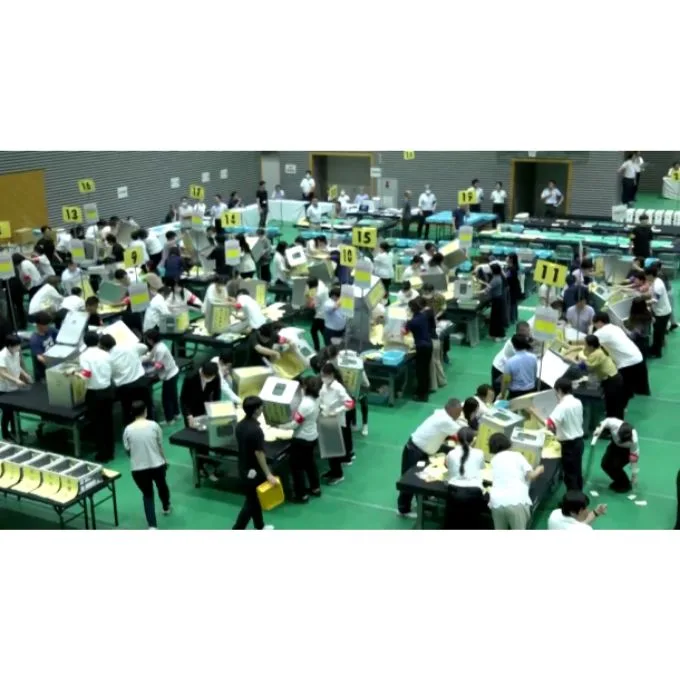
Japan’s ruling parties lost control of the upper house in Sunday’s election, dealing a major blow to Prime Minister Shigeru Ishiba’s leadership. The result adds more pressure on Ishiba, who had already lost the lower house in October. Despite the defeat, Ishiba says he will remain as party leader, especially with key trade talks with the U.S. coming up.
The Liberal Democratic Party (LDP) and its partner Komeito won only 47 seats—falling short of the 50 needed to hold a majority in the 248-seat upper house. This follows their poor performance in the October lower house election, the worst in 15 years. Now, Ishiba’s government could face no-confidence motions and growing demands from inside his party to step down.
What This Means for Japan’s Economy
According to Marcel Thieliant of Capital Economics, the election loss could lead to looser government spending policies. Many opposition parties had promised to lower the sales tax, especially on food items. But Thieliant believes cutting the tax is not the best way to fight inflation, as it would be costly and complicated for businesses.
Instead, the government is expected to continue using cash handouts and energy subsidies—methods it has used in the past to support the public and stimulate the economy.
Rise of a New Far-Right Party
A surprise winner in this election was the far-right Sanseito party. It gained 14 seats, a big jump from the single seat it held previously. The party became popular through YouTube videos during the COVID-19 pandemic, promoting vaccine conspiracy theories and anti-immigrant views. Its “Japanese First” message has helped it attract more attention from voters who are frustrated with the current system.
Sanseito now has a total of 15 seats in the upper house but only holds three in the more powerful lower house.
Market Reaction
Following the election results, the Japanese yen strengthened slightly on Monday. With local markets closed for a holiday, the currency became a key signal of investor sentiment. Analysts believe the results were mostly expected, but there’s still concern about future government stability and upcoming tariff talks with the U.S.

BBW News Desk is the editorial team of BigBreakingWire, a digital newsroom focused on global finance, markets, geopolitics, trade policy, and macroeconomic developments.
Our editors monitor government decisions, central bank actions, international trade movements, corporate activity, and economic indicators to deliver fast, fact-based reporting for investors, professionals, and informed readers.
The BBW News Desk operates under the editorial standards of BigBreakingWire, prioritizing accuracy, verified information, and timely updates on major global developments.























Be First to Comment