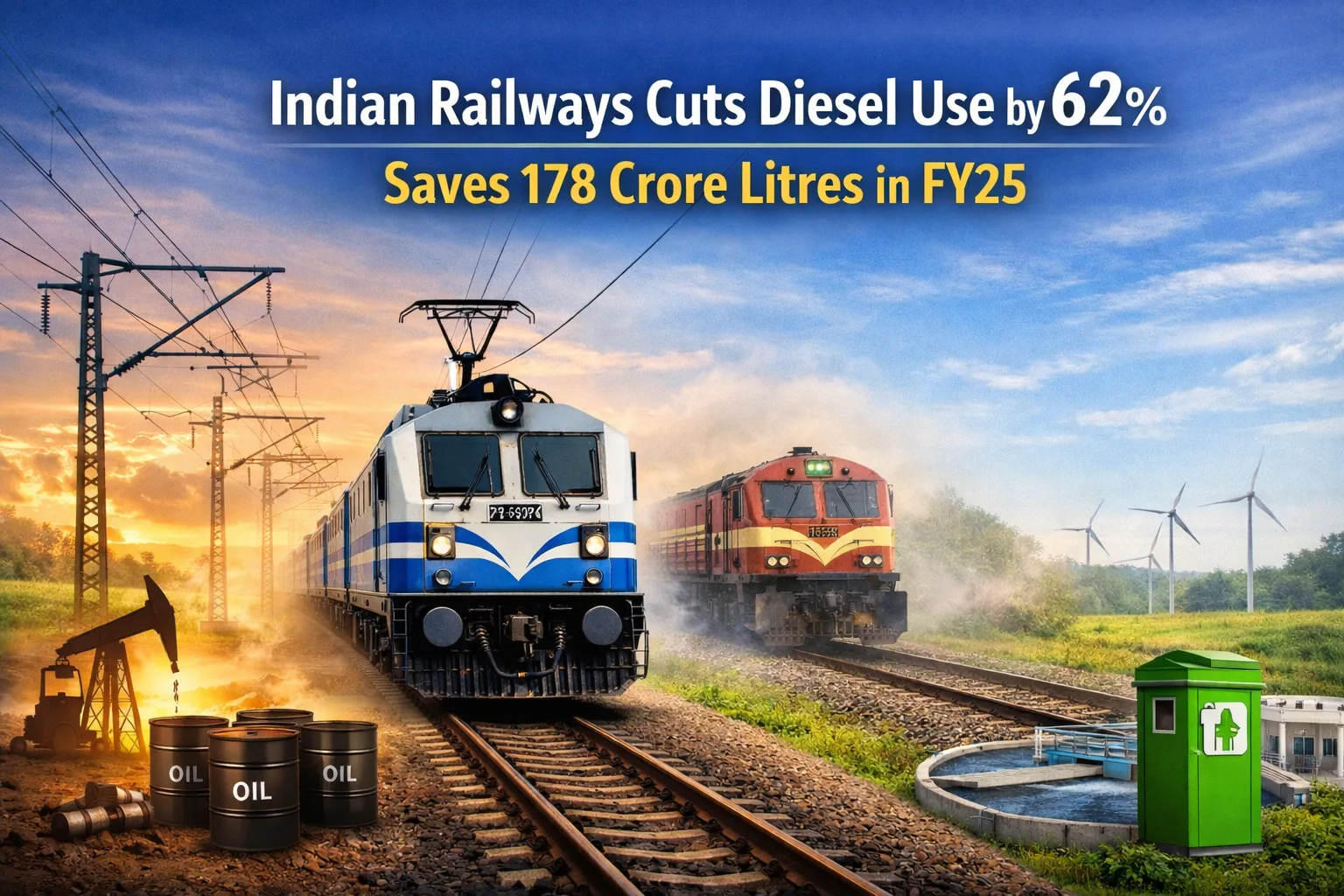
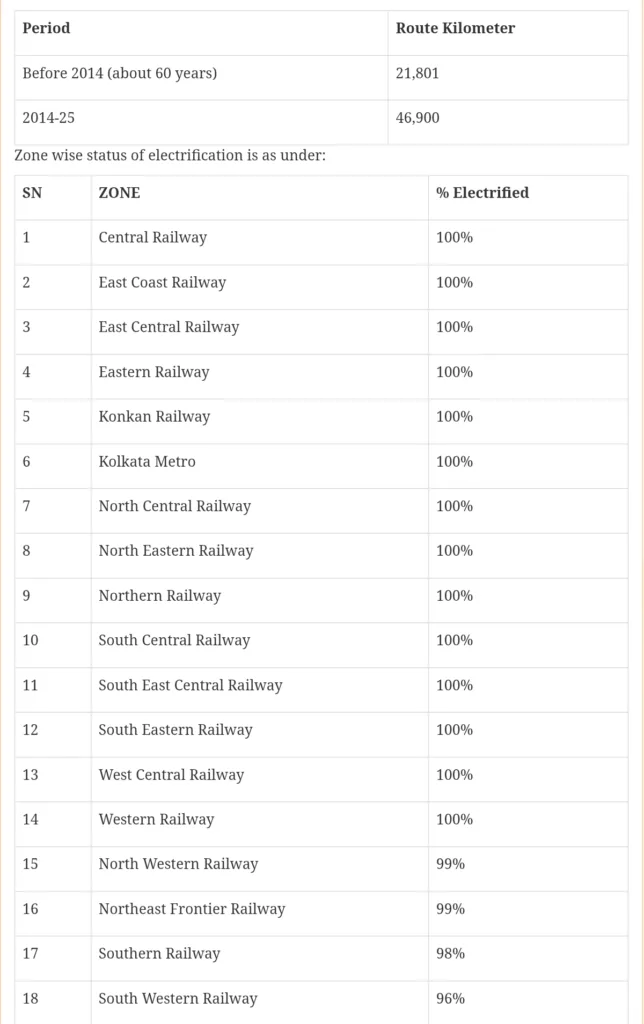
Indian Railways has reduced diesel consumption by 178 crore litres in 2024-25 compared to 2016-17, marking a 62% decline due to rapid electrification of its network. Nearly 99.4% of the Broad Gauge network is now electrified.
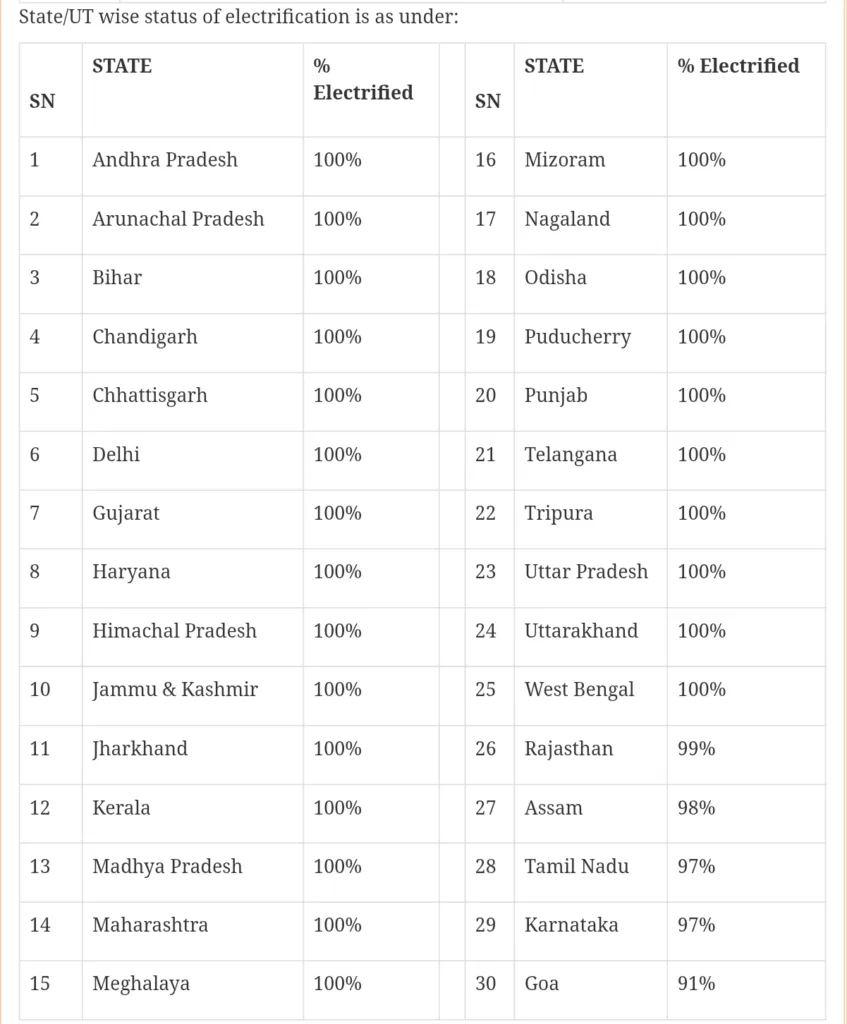
The shift to electric traction is lowering fuel import dependency, cutting emissions, and improving operational efficiency. A total of 25 states have achieved 100% railway electrification.
The move affects freight operators, passengers, and India’s energy balance, while strengthening long-term railway cost savings.
What Happened in Indian Railways Electrification Drive
Indian Railways has completed electrification of about 99.4% of its Broad Gauge network. The remaining sections are currently under progress.
Since 2023-24, 10,932 route kilometres have been electrified till January 2026. All new railway lines and multi-tracking projects are now being sanctioned with electrification.
Between 2020-21 and 2024-25, the government spent Rs 29,826 crore on railway electrification projects, including works in Tamil Nadu and other states.
Why Did Indian Railways Electrification Reduce Diesel Consumption
Electric traction replaced diesel locomotives across most major routes. As a result, diesel consumption fell sharply.
In 2024-25 alone, Indian Railways saved 178 crore litres of diesel compared to 2016-17 levels. This translates into a 62% reduction.
Lower diesel use reduces India’s crude oil import dependence and helps control fuel-related costs.
Bigger Context Behind Indian Railways Energy Transition
Railways spent Rs 32,378 crore on total traction energy consumption in 2024-25. Electric traction is considered more cost-effective and environmentally cleaner than diesel or bio-diesel.
While bio-diesel trials were conducted earlier, electric traction has proven to be more viable in terms of scale, emissions reduction, and operating efficiency.
Project completion timelines depend on forest clearances, shifting of utilities, land and geological conditions, statutory approvals, and law and order situations.
How Railway Electrification Affects India’s Economy and Environment
The reduction in diesel consumption directly lowers fuel imports, which supports India’s current account balance.
Electric trains produce lower emissions compared to diesel locomotives, helping India meet climate and sustainability targets.
For passengers, electrification improves acceleration, reduces travel time, and lowers noise levels.
Waste Management Initiatives Alongside Railway Electrification
Along with electrification, Indian Railways has strengthened waste management systems to improve passenger experience.
Waste collected inside trains is disposed of at designated stations. Onboard housekeeping staff are instructed not to throw garbage on tracks, with penalties for violations.
Two-bin systems for waste segregation are installed at many stations. Plastic Bottle Crushing Machines have been deployed where required.
Infrastructure such as Sewage Treatment Plants, Effluent Treatment Plants, and Material Recovery Facilities has been commissioned at multiple locations.
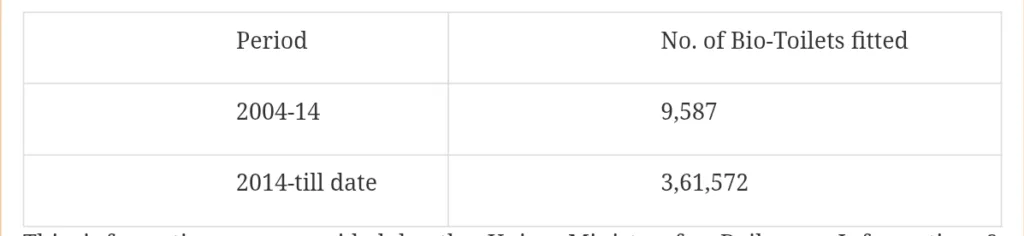
Bio-toilets have been installed in passenger coaches to eliminate direct discharge of human waste on tracks.
Regular Swachh Bharat cleanliness drives and passenger awareness campaigns are conducted to maintain hygiene standards.
What Happens Next in Indian Railways Electrification Program
The remaining 0.6% of Broad Gauge routes will be electrified in the coming phases.
All future railway expansion projects will continue with electric traction as the default model.
The focus will remain on improving efficiency, lowering operating costs, and strengthening sustainable infrastructure.
Frequently Asked Questions
1. How much diesel did Indian Railways save in 2024-25?
Indian Railways saved 178 crore litres of diesel in 2024-25 compared to 2016-17.
2. What percentage of railway network is electrified?
About 99.4% of the Broad Gauge railway network has been electrified.
3. How much was spent on electrification in the last five years?
Rs 29,826 crore was spent between 2020-21 and 2024-25.
4. Why is electric traction preferred over bio-diesel?
Electric traction is more cost-effective, scalable, and environmentally friendly.
Conclusion
Indian Railways is close to achieving full electrification of its Broad Gauge network. The 62% reduction in diesel consumption highlights a major shift in India’s transport energy model. With continued investment and infrastructure upgrades, electrification is set to remain central to railway modernization and sustainability goals.

BBW News Desk is the editorial team of BigBreakingWire, a digital newsroom focused on global finance, markets, geopolitics, trade policy, and macroeconomic developments.
Our editors monitor government decisions, central bank actions, international trade movements, corporate activity, and economic indicators to deliver fast, fact-based reporting for investors, professionals, and informed readers.
The BBW News Desk operates under the editorial standards of BigBreakingWire, prioritizing accuracy, verified information, and timely updates on major global developments.













Be First to Comment