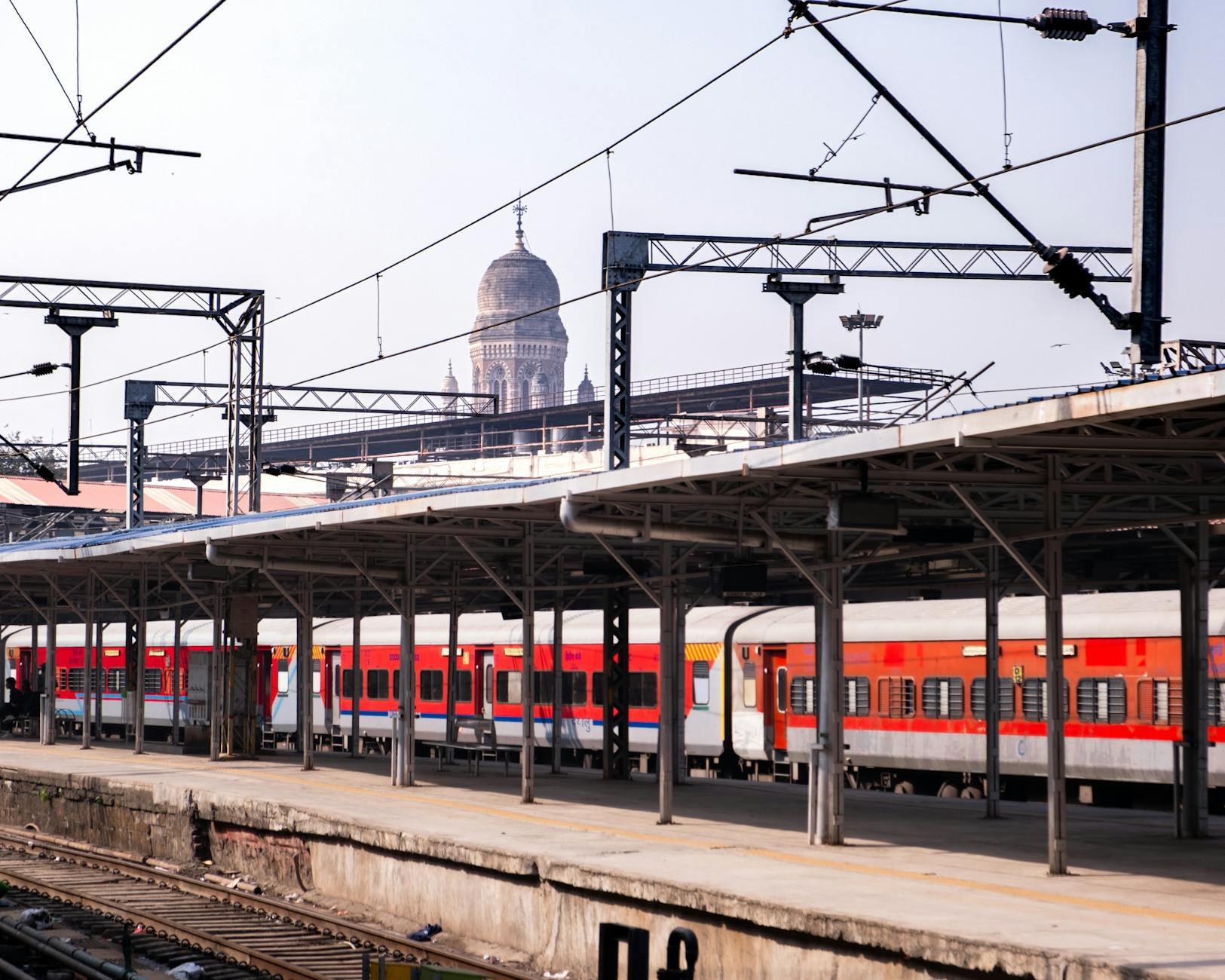
Indian Railways has attracted US$ 942 million in FDI equity inflows between 2014-15 and December 2025 under liberalized policies allowing 100% foreign investment via the automatic route. The government has simultaneously increased capital expenditure to Rs 2.78 lakh crore for FY27 to accelerate infrastructure expansion.
The railway sector has also emerged as a manufacturing and export hub, with exports reaching nearly Rs 26,000 crore over the last nine years. Strategic MoUs with countries such as Germany, Switzerland, Russia, and Spain aim to strengthen high-speed rail, freight systems, and digital railway technologies.
The developments highlight India’s dual strategy of leveraging foreign capital while building domestic industrial capacity, positioning railways as a key pillar in economic growth, logistics efficiency, and global trade integration.
What Happened in Indian Railways Investment and Export Push
India has allowed 100% FDI under the automatic route in railway infrastructure since policy reforms, covering areas such as high-speed rail, dedicated freight corridors, electrification, and rolling stock manufacturing.
Between FY15 and FY26 (till December 2025), the sector received US$ 942 million in equity inflows. At the same time, public investment surged sharply, with Gross Budgetary Support rising from Rs 29,055 crore in FY14 to Rs 2.78 lakh crore allocated for FY27.
India has also expanded international cooperation through technical agreements with European and Eurasian partners, focusing on advanced rail systems, predictive maintenance, and multimodal logistics.
| Metric | Value |
| Total FDI Inflows (2014-2025) | US$ 942 Million |
| Exports (2016-2026) | US$ 3.35 Billion (~Rs 26,000 Cr) |
| Railway Capex FY14 | Rs 29,055 Crore |
| Railway Capex FY27 | Rs 2.78 Lakh Crore |
Why Did India Push for FDI and Railway Expansion
The policy shift reflects India’s need to modernize its logistics backbone while reducing transport costs, which remain higher than global benchmarks. Railways play a central role in freight movement, especially for bulk commodities and industrial supply chains.
Allowing full FDI participation reduces the burden on public finances and enables access to advanced technology, project execution expertise, and global best practices.
At the same time, the government has prioritized domestic manufacturing to reduce import dependence and build long-term industrial competitiveness under initiatives aligned with Make in India.
Bigger Context Behind Indian Railways in Economy and Geopolitics
India’s railway expansion comes at a time when global supply chains are being reconfigured due to geopolitical tensions, including disruptions in West Asia and shifting trade corridors.
Efficient rail logistics are critical for India’s ambition to become a manufacturing and export hub, particularly as companies diversify supply chains away from China. Dedicated freight corridors and multimodal connectivity directly support export competitiveness.
International collaborations with Europe and Russia indicate India’s effort to balance geopolitical relationships while acquiring technology for high-speed and smart rail systems.
The export of rolling stock to countries like the US, UK, Germany, and Australia signals India’s growing credibility as a cost-efficient manufacturing base in heavy engineering.
How Indian Railways Growth Affects Markets, Companies, Investors, and Economy
Higher railway capex is positive for sectors such as infrastructure, capital goods, steel, cement, and engineering companies. Firms involved in wagon manufacturing, electrification, signaling, and metro systems are likely to benefit from sustained order flows.
Export growth strengthens India’s industrial sector and supports the rupee through higher foreign exchange earnings. It also improves capacity utilization across manufacturing units.
For investors, railway-linked stocks and public sector enterprises could see long-term earnings visibility driven by government spending and global demand.
| Sector | Impact |
| Infrastructure | Higher project pipeline and execution opportunities |
| Manufacturing | Export growth and capacity expansion |
| Capital Goods | Strong order inflows from rail modernization |
| Logistics | Improved efficiency and lower freight costs |
What Happens Next in Indian Railways Growth Strategy
India is expected to continue scaling up railway investments, particularly in high-speed corridors, electrification, and digital infrastructure. Private participation may increase gradually as policy clarity improves.
Exports of rolling stock and railway components are likely to expand further as global demand for cost-effective alternatives rises, especially in developing markets.
Technological upgrades such as predictive maintenance, AI-driven operations, and smart ticketing systems will become central to improving efficiency and safety.
| Future Focus Area | Expected Development |
| High-Speed Rail | Expansion through foreign collaboration |
| Freight Corridors | Increased capacity and faster cargo movement |
| Exports | Expansion into new global markets |
| Digital Systems | Adoption of AI and predictive maintenance |
Frequently Asked Questions
How much FDI has Indian Railways received?
Indian Railways received US$ 942 million in FDI between FY15 and December 2025.
Is 100% FDI allowed in Indian Railways?
Yes, 100% FDI is permitted under the automatic route in railway infrastructure sectors.
How much has India exported in railway products?
India exported railway products worth about US$ 3.35 billion, or around Rs 26,000 crore, over the past nine years.
Why is railway investment important for India?
It reduces logistics costs, boosts manufacturing competitiveness, and supports economic growth and exports.
Conclusion
Indian Railways is transitioning into a strategic economic asset driven by both public investment and selective foreign participation. The combination of rising exports, domestic manufacturing strength, and global partnerships positions the sector as a key enabler of India’s long-term growth and supply chain ambitions. Sustained capex and policy continuity will be critical in maintaining momentum and enhancing global competitiveness.

BBW News Desk is the editorial team of BigBreakingWire, a digital newsroom focused on global finance, markets, geopolitics, trade policy, and macroeconomic developments.
Our editors monitor government decisions, central bank actions, international trade movements, corporate activity, and economic indicators to deliver fast, fact-based reporting for investors, professionals, and informed readers.
The BBW News Desk operates under the editorial standards of BigBreakingWire, prioritizing accuracy, verified information, and timely updates on major global developments.









Be First to Comment