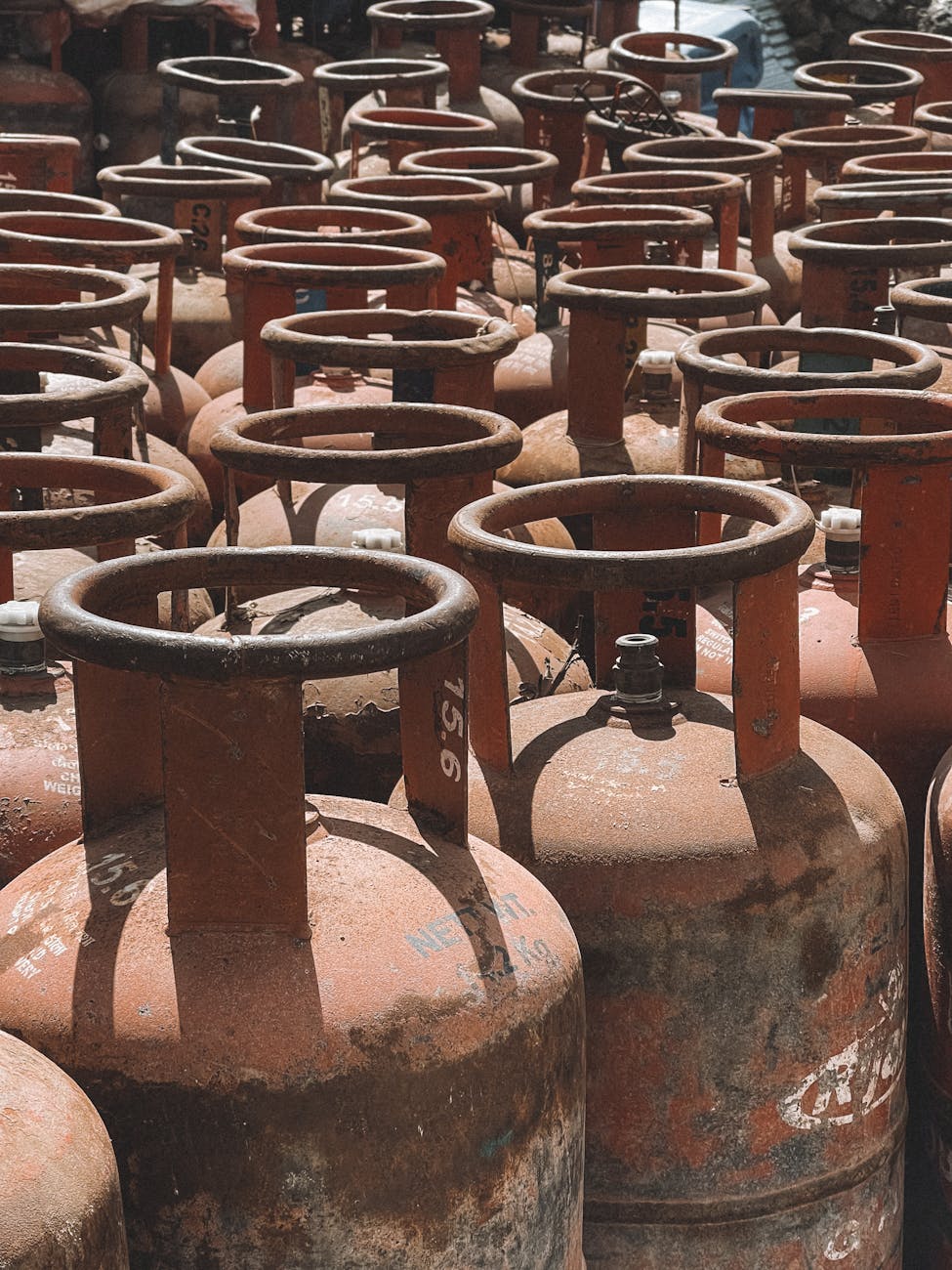
Indian government has increased the supply of commercial LPG to 50 percent of pre crisis levels starting March 23, aiming to ease ongoing supply disruptions and ensure continuity in essential services. The move is significant as shortages had begun affecting food related businesses and vulnerable groups, creating pressure on daily operations across several sectors.
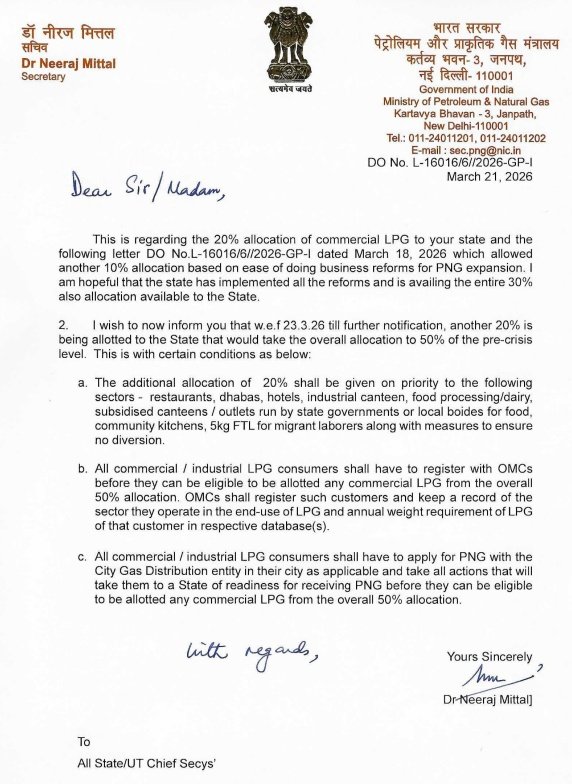
Under the latest decision, states will receive an additional 20 percent allocation, taking the total availability to half of normal supply levels. This follows earlier provisions that allowed up to 30 percent allocation, including incentives linked to reforms in expanding piped natural gas infrastructure.
The government has clearly outlined priority sectors for this additional supply. Restaurants, dhabas, hotels, industrial canteens, and food processing units including dairy operations will receive preferential access. Government supported food outlets, community kitchens, and subsidised canteens run by local authorities have also been included in the priority list.
Migrant workers are another key focus area. The policy ensures targeted distribution through smaller LPG cylinders to support their daily needs. This comes as authorities attempt to prevent disruption in basic cooking fuel availability for workers who are often the most affected during supply constraints.
To ensure effective use of the increased allocation, strict conditions have been introduced. The government has directed that there should be no diversion of LPG supply away from the identified priority sectors. States and distribution agencies are expected to enforce this rule closely.
All commercial and industrial users will now be required to register with oil marketing companies before they become eligible for LPG supply. These companies will maintain detailed records of each consumer, including their sector of operation, end use of LPG, and annual consumption requirements. This step is aimed at improving transparency and monitoring.
In addition, commercial users must apply for piped natural gas connections where available. They are required to take necessary steps to be ready for receiving piped gas in the future. This condition has been made mandatory for eligibility under the current LPG allocation framework.
The decision builds on a previous communication dated March 18, which allowed states to access an additional 10 percent allocation based on reforms supporting ease of doing business and expansion of piped gas networks. With the new increase, states that have implemented these measures can now benefit from the full 50 percent allocation.
The government has indicated that the revised allocation will remain in effect until further notice. Authorities are expected to closely monitor implementation to ensure that supply reaches intended sectors without leakages.
Going ahead, the focus will remain on maintaining supply discipline, ensuring compliance from commercial users, and supporting essential services that rely heavily on LPG. The effectiveness of these measures will determine how well the system manages ongoing disruptions in the near term.

BBW News Desk is the editorial team of BigBreakingWire, a digital newsroom focused on global finance, markets, geopolitics, trade policy, and macroeconomic developments.
Our editors monitor government decisions, central bank actions, international trade movements, corporate activity, and economic indicators to deliver fast, fact-based reporting for investors, professionals, and informed readers.
The BBW News Desk operates under the editorial standards of BigBreakingWire, prioritizing accuracy, verified information, and timely updates on major global developments.










Be First to Comment