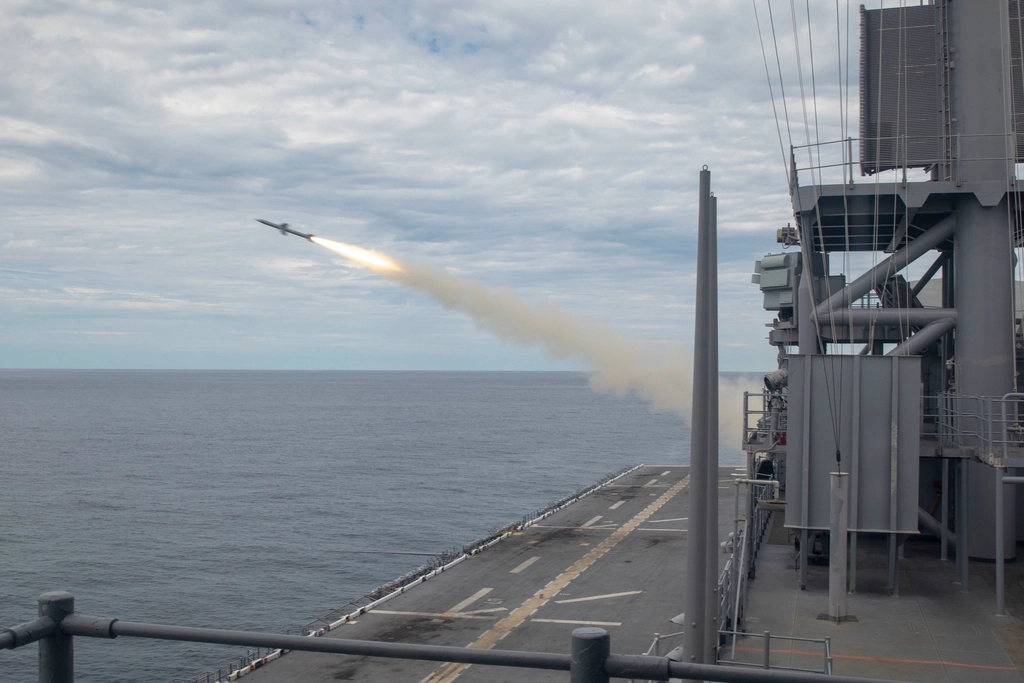
Indian equities have corrected amid escalating U.S.-Israel tensions with Iran, triggering a surge in crude oil prices and renewed volatility across global markets. Analysts at Jefferies and JPMorgan say the selloff could turn into a buying opportunity if disruptions remain short lived and oil stabilises below $80 per barrel.
India’s economic exposure to the Middle East is significant. The region accounts for 17% of India’s goods exports, supplies 55% of crude oil imports and contributes 38% of worker remittances, roughly $45 billion annually. A sustained oil spike could widen the current account deficit by 35 basis points for every $10 per barrel rise and add 20 to 25 basis points to inflation if passed through.
The immediate vulnerability lies in the Strait of Hormuz, which handles nearly 20% of global crude and LNG consumption. Around 10 to 13 million barrels per day of oil flows through the route, including 2.5 to 2.7 million barrels per day imported by India.
What Happened in the Middle East Conflict and Oil Markets
Iran’s retaliatory strikes targeted locations across the UAE, Saudi Arabia, Qatar, Kuwait and Bahrain, raising operational risks for energy infrastructure. QatarEnergy temporarily suspended LNG output at Ras Laffan and Mesaieed after a drone strike, threatening nearly 20% of global LNG supply.
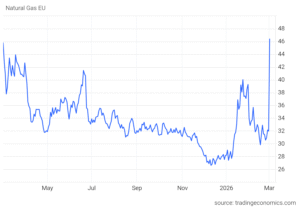
European gas futures jumped 50% to a one year high as LNG cargoes avoided Hormuz. Nearly 5 million barrels per day of refined fuels, including LPG, transit through the strait with limited alternate pipeline capacity.
Global aviation also faced disruption. More than 4,000 flights were cancelled in three days, wiping out $22.6 billion in travel sector market value. Airlines including Qantas, Cathay Pacific and Singapore Airlines declined sharply as Middle East airspace closures intensified.
| Global Risk Indicators | Impact |
| Crude flow via Hormuz | 10 to 13 million barrels per day |
| Refined fuel shipments | 5 million barrels per day |
| EU gas futures | Up 50% to 1 year high |
| Flights cancelled | 4,000 plus in 3 days |
| Travel sector value loss | $22.6 billion |
Why Markets Reacted So Sharply
Oil is the primary transmission channel of geopolitical risk into India’s macroeconomy. Every sustained $10 rise in crude can widen the current account deficit by around 35 basis points and pressure the rupee.
If oil holds above $80, fuel price hikes or excise duty cuts may follow, affecting fiscal balances. A $10 increase in crude can add 20 to 25 basis points to inflation if passed on to consumers, complicating monetary policy decisions.
Markets are pricing in not only immediate disruption but also the uncertainty premium linked to a prolonged conflict, especially after indications that military operations could extend several weeks.
Bigger Context Behind India’s Middle East Exposure
The Middle East is central to India’s trade, energy security and remittance flows. Around 17% of goods exports go to the region, while remittances from Indian workers contribute approximately $45 billion annually.
India currently holds petroleum stocks covering about 74 days of consumption. Indian Strategic Petroleum Reserves Limited has built 5.33 million metric tonnes of storage capacity, with 4.094 million metric tonnes or 77% filled.
| India Exposure Snapshot | Data |
| Goods exports to Middle East | 17% |
| Crude imports from region | 55% |
| Worker remittance share | 38% or $45 billion |
| Oil stock cover | 74 days |
| Strategic storage utilisation | 77% |
How the Conflict Affects Markets, Companies and Investors
Oil marketing companies and city gas distributors such as Indraprastha Gas, Mahanagar Gas and Gujarat Gas face input cost pressure. Airlines like IndiGo, with 35 to 40% of international capacity linked to the Middle East, may see higher fuel bills and weaker demand.
GMR Airports could face softer passenger traffic if disruptions persist. Companies with meaningful Gulf exposure including Larsen and Toubro, Newgen Software, Dabur India, Titan Company, Ajanta Pharma, Biocon, Cipla, PB Fintech and Voltas may experience operational risks.
Defence manufacturers could benefit if tensions remain elevated. India’s defence spending is projected to rise 18% in FY26 compared with a 10 year average near 10%, potentially supporting Bharat Electronics, Data Patterns and Hindustan Aeronautics.
| Sector Impact Overview | Likely Impact |
| Oil marketing and gas distributors | Margin pressure |
| Aviation and airports | Demand and cost risk |
| Exporters to Gulf | Operational disruption risk |
| Defence manufacturers | Potential order growth |
What Happens Next in Oil Markets and Indian Equities
If tensions ease and the Strait of Hormuz remains operational, oil prices may stabilise and equities could recover. Past regional flare ups have often proved temporary, limiting long term economic damage.
However, a prolonged disruption pushing crude sustainably above $80 would challenge India’s inflation outlook, fiscal math and currency stability. Policy responses could involve fuel tax adjustments, reserve deployment and liquidity management.
For investors, the duration of the conflict and trajectory of energy prices will determine whether this correction remains a short term volatility event or evolves into a broader macroeconomic challenge.
Frequently Asked Questions
How much oil does India import via the Strait of Hormuz?
India imports 2.5 to 2.7 million barrels per day through the strait, covering 50 to 60% of its crude needs.
How does a $10 rise in crude impact India’s economy?
It can widen the current account deficit by about 35 basis points and add 20 to 25 basis points to inflation if passed through.
How strong are India’s oil reserves?
India holds about 74 days of petroleum stocks, with strategic reserves 77% filled.
Is the correction a buying opportunity?
Analysts suggest dips may be attractive if the disruption remains short lived and oil prices stabilise.
Conclusion
The Iran escalation has reintroduced energy risk into global markets and highlighted India’s structural dependence on Gulf trade and oil flows. The stability of the Strait of Hormuz and the trajectory of crude prices will determine whether the current equity correction remains temporary or evolves into a broader economic headwind.
For now, markets are pricing uncertainty rather than systemic damage. The duration of disruption will be the decisive factor for India’s macro outlook and investor sentiment.

BBW News Desk is the editorial team of BigBreakingWire, a digital newsroom focused on global finance, markets, geopolitics, trade policy, and macroeconomic developments.
Our editors monitor government decisions, central bank actions, international trade movements, corporate activity, and economic indicators to deliver fast, fact-based reporting for investors, professionals, and informed readers.
The BBW News Desk operates under the editorial standards of BigBreakingWire, prioritizing accuracy, verified information, and timely updates on major global developments.





Be First to Comment