
What Happened in India’s Latest Defence Procurement
India’s Ministry of Defence on March 03, 2026 signed contracts worth Rs 5,083 crore for six Advanced Light Helicopters ALH Mk-III Maritime Role for the Indian Coast Guard and Vertical Launch Shtil surface-to-air missiles for the Indian Navy.
The helicopter contract worth Rs 2,901 crore was awarded to Hindustan Aeronautics Limited Bengaluru under the Buy Indian IDDM category. The missile contract valued at Rs 2,182 crore was signed with JSC Rosoboronexport of Russia.
Separately, on March 02, 2026, the Indian Navy signed a contract with Shoft Shipyard Private Limited Thane for construction of four 500 tonne self propelled fuel barges under the Make in India initiative.
The combined agreements strengthen India’s maritime surveillance, air defence capability, and naval logistics infrastructure amid rising geopolitical tensions in the Indian Ocean Region.
| Contract Component | Value | Supplier | Service |
| ALH Mk-III MR Helicopters | Rs 2,901 crore | Hindustan Aeronautics Limited | Indian Coast Guard |
| VL Shtil Missiles | Rs 2,182 crore | JSC Rosoboronexport | Indian Navy |
| 500T Fuel Barges | Undisclosed | Shoft Shipyard Pvt Ltd | Indian Navy |
Why Did This Defence Procurement Happen
India is expanding maritime security capabilities as sea based trade and offshore energy infrastructure become increasingly strategic. Nearly 80% of India’s crude oil imports move through sea routes, making naval readiness directly linked to economic stability.
The ALH Mk-III helicopters enhance coastal patrol, search and rescue, surveillance, and ship based operations. With India’s exclusive economic zone exceeding 2 million square kilometers, aerial reach and quick deployment are operational priorities.
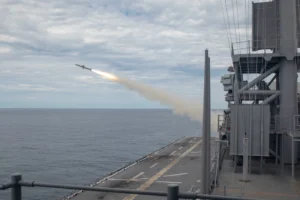
The VL Shtil missile system strengthens layered air defence onboard frontline warships. Modern naval strategy increasingly focuses on countering drones, anti ship missiles, and aerial threats in contested maritime environments.
The fuel barges improve logistical sustainability by ensuring reliable refueling of ships and submarines in harbour and anchorage.
Bigger Context Behind India’s Maritime Defence Push
India’s defence capital outlay for FY2025-26 is above Rs 1.7 lakh crore, reflecting sustained modernization momentum. Maritime capability is central to India’s Indo Pacific strategy and economic security framework.
Global supply chain disruptions, regional naval competition, and expanding military presence in the Indian Ocean have elevated maritime risk assessments. Strengthening surveillance and air defence reduces vulnerability to energy and trade disruptions.
The helicopter contract supports domestic manufacturing under Aatmanirbhar Bharat. It involves more than 200 MSMEs and is expected to generate around 65 lakh man hours of employment, strengthening the defence industrial ecosystem.
At the same time, the missile deal with Russia reflects continuity in legacy platform integration and operational compatibility within the Navy’s existing fleet architecture.
| Strategic Objective | Operational Impact |
| Maritime Surveillance | Expanded coastal and offshore monitoring capability |
| Naval Air Defence | Improved protection against drones and missile threats |
| Industrial Development | Support for 200+ MSMEs and skilled employment |
| Logistics Modernization | Enhanced fleet refueling and readiness cycles |
How the Contracts Affect Markets, Companies, Investors, and Economy
The Rs 2,901 crore order strengthens Hindustan Aeronautics Limited’s order book visibility, improving medium term revenue predictability. Defence contracts typically follow milestone based execution over multiple years.
For MSMEs in aerospace components, electronics, and fabrication, the supply chain participation enhances capacity utilization and technology absorption.
Investors track defence procurement closely because confirmed government orders provide earnings stability to defence public sector undertakings. Sustained capital expenditure signals policy continuity.
From a fiscal perspective, capital defence spending contributes to asset creation while operating within the government’s fiscal deficit target of 4.9% for FY2025-26.
| Economic Area | Expected Impact |
| Defence PSU Earnings | Stronger multi year revenue pipeline |
| MSME Sector | Higher subcontracting and production activity |
| Employment | 65 lakh man hours generated |
| Geopolitical Trade | Continued India Russia defence engagement |
What Happens Next in India’s Defence Modernization
Execution schedules and delivery timelines will determine phased financial impact over the next three to five years. Production milestones and platform integration will shape operational deployment timelines.
India is expected to maintain focus on naval modernization, unmanned systems, and indigenous shipbuilding programs. Maritime capability will remain central to long term strategic planning.
Policy direction will likely continue balancing domestic manufacturing targets with selective imports to maintain operational readiness and technological depth.
Frequently Asked Questions
What is the total value of the defence contracts signed in March 2026?
The total value is Rs 5,083 crore covering helicopters and missile systems.
Who will supply the ALH Mk-III Maritime Role helicopters?
Hindustan Aeronautics Limited Bengaluru will supply six helicopters under the Buy Indian IDDM category.
What is the purpose of the VL Shtil missile system?
It provides ship based air defence capability against aircraft, drones, and missile threats.
Why are fuel barges important for the Indian Navy?
They ensure efficient in harbour refueling, improving fleet readiness and operational sustainability.
Conclusion
The Rs 5,083 crore defence agreements reflect India’s continued prioritization of maritime security, industrial self reliance, and strategic preparedness. The contracts support domestic manufacturing while reinforcing naval deterrence.
As geopolitical competition intensifies across key sea lanes, sustained defence capital spending is expected to remain a structural component of India’s economic and strategic policy framework.

BBW News Desk is the editorial team of BigBreakingWire, a digital newsroom focused on global finance, markets, geopolitics, trade policy, and macroeconomic developments.
Our editors monitor government decisions, central bank actions, international trade movements, corporate activity, and economic indicators to deliver fast, fact-based reporting for investors, professionals, and informed readers.
The BBW News Desk operates under the editorial standards of BigBreakingWire, prioritizing accuracy, verified information, and timely updates on major global developments.















Be First to Comment