India has stepped up emergency coordination across ministries as geopolitical tensions in West Asia threaten global energy shipping routes, particularly the Strait of Hormuz. Two Indian LPG carriers carrying about 92,712 metric tonnes of gas have already crossed the strategic chokepoint and are scheduled to arrive at Mundra and Kandla ports on 16 and 17 March.
The government said domestic LPG production has been increased by around 31% while refineries continue operating at high utilization levels to maintain adequate fuel supply. Officials have also warned citizens against panic booking of LPG cylinders after daily bookings jumped from 55.7 lakh to 88.8 lakh.
Authorities are simultaneously working with ports, shipping companies, and state governments to prevent supply disruptions, hoarding of essential commodities, and operational shocks to maritime trade as the West Asia conflict escalates.
What Happened in India’s Energy Security Response
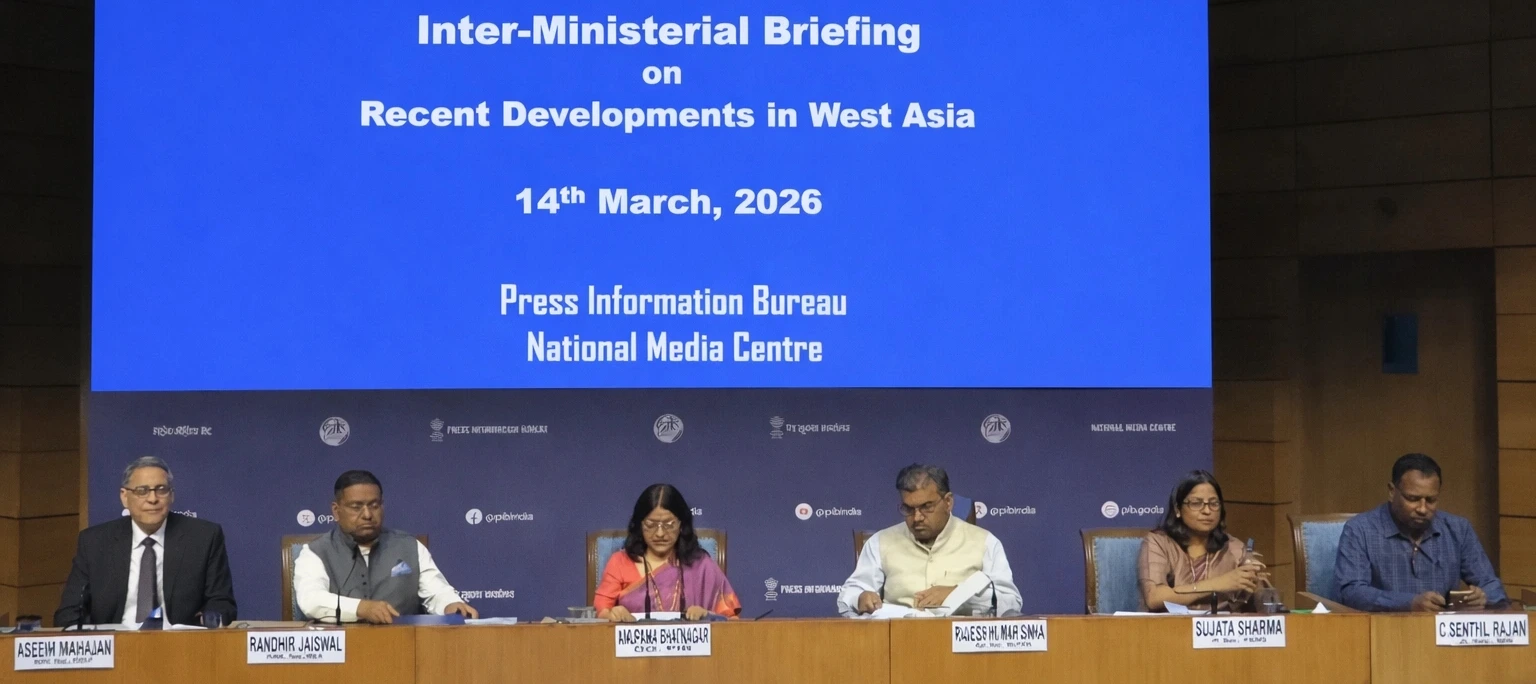
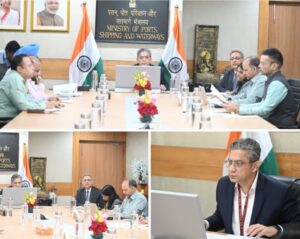
The Indian government held its fourth inter-ministerial briefing on 14 March to address the economic and logistical impact of the West Asia conflict on India’s fuel supply chain and maritime operations.
Senior officials from the Ministry of Petroleum and Natural Gas, Ministry of External Affairs, Ministry of Ports, Shipping and Waterways, and the Ministry of Information and Broadcasting outlined measures being taken to protect energy supplies and maintain market stability.
Two Indian-flagged LPG carriers, Shivalik and Nanda Devi, successfully crossed the Strait of Hormuz carrying approximately 92,712 metric tonnes of LPG. These shipments are expected to reach Mundra Port and Kandla Port in Gujarat by 16–17 March.
| Key Development | Details |
| LPG carriers crossing Hormuz | 2 vessels (Shivalik and Nanda Devi) |
| Total LPG cargo | 92,712 metric tonnes |
| Expected arrival | 16–17 March 2026 |
| Increase in domestic LPG production | 31% |
| Daily LPG bookings surge | 55.7 lakh → 88.8 lakh |
| Indian vessels in Persian Gulf | 22 vessels with 611 seafarers |
Officials also confirmed that Indian refineries currently maintain adequate crude oil inventories and that the country remains self-sufficient in petrol and diesel production.
Why the Government Issued Energy Supply Assurances
The primary trigger for India’s policy response is the growing geopolitical risk around the Strait of Hormuz, one of the world’s most critical energy shipping routes. Nearly 20% of global oil and a significant portion of LNG and LPG shipments pass through this narrow maritime corridor.
Any disruption in this route can quickly translate into fuel shortages, shipping delays, and price volatility in global energy markets.
India imports more than 85% of its crude oil needs and relies heavily on Middle East energy suppliers including Saudi Arabia, Iraq, UAE, and Kuwait. Even short-term shipping disruptions could create logistical bottlenecks for LPG, LNG, and crude shipments.
Government officials are therefore attempting to prevent domestic panic buying that could artificially strain supply chains and create localized shortages despite adequate national inventory levels.
Bigger Context Behind the West Asia Conflict and Global Energy Supply
The current crisis highlights the strategic vulnerability of global energy markets to geopolitical conflict. The Strait of Hormuz has historically been one of the most sensitive chokepoints in the world economy.
Even temporary shipping restrictions can cause spikes in oil prices, insurance premiums for vessels, and freight costs. Energy-importing economies such as India, Japan, South Korea, and many European countries closely monitor developments in the region.
India has gradually diversified its crude sourcing over the past decade, increasing purchases from Russia, the United States, and Latin America. However, LPG and LNG shipping routes remain heavily dependent on Gulf maritime corridors.
At the same time, India is currently chairing BRICS and discussions are ongoing within the bloc to form a coordinated diplomatic position on the West Asia crisis. Countries such as Russia and Iran are also members or partners in broader geopolitical dialogues, making diplomatic coordination complex.
| Strategic Energy Indicators | Estimated Figures |
| India crude oil import dependence | Over 85% |
| Global oil shipped through Hormuz | ~20% |
| Indian LPG daily bookings | 88.8 lakh (latest) |
| Indian seafarers in Gulf region | 611 |
How the Situation Affects Markets, Companies, and the Economy
The biggest economic risk from the West Asia crisis is energy price volatility. Higher oil prices can increase India’s import bill, widen the current account deficit, and create inflation pressure.
If crude prices remain elevated for an extended period, sectors such as aviation, chemicals, paints, logistics, and fertilisers could face higher input costs.
Shipping and insurance costs are also likely to rise as vessels crossing conflict zones require higher war-risk premiums. This may raise freight rates for commodities and manufactured goods.
However, India’s strong refinery capacity and strategic reserves provide short-term cushioning against supply shocks. Domestic production of petrol and diesel is currently sufficient to meet internal demand without imports.
| Sector | Potential Impact |
| Oil & Gas | Higher crude prices and shipping costs |
| Shipping & Logistics | Increased insurance and freight rates |
| Airlines | Higher aviation fuel expenses |
| Fertiliser Industry | Possible input cost volatility |
| Consumers | Risk of LPG panic buying |
To stabilize markets, the government has also increased fertiliser inventories ahead of the Kharif 2026 season. Officials confirmed that urea stocks are higher than last year while DAP stocks are nearly double.
What Happens Next in India’s Energy and Maritime Strategy
India is expected to continue closely monitoring maritime traffic in the Persian Gulf and coordinate with international shipping partners to ensure uninterrupted energy flows.
Authorities are also working with ports to prioritize berthing for LPG vessels and provide relief measures such as reduced anchorage and storage charges where required.
Diplomatically, India is engaging with multiple stakeholders including Gulf countries, Iran, Israel, and the United States to support de-escalation and maintain secure energy transit routes.
If geopolitical tensions persist, India may accelerate efforts to diversify LPG sourcing routes, expand strategic petroleum reserves, and strengthen long-term energy security planning.
Frequently Asked Questions
Why is the Strait of Hormuz important for India?
The Strait of Hormuz is a key global energy shipping route through which around 20% of the world’s oil passes. India relies heavily on Middle East energy shipments moving through this corridor.
Is there an LPG shortage in India right now?
No. The government has confirmed that refineries have adequate inventories and domestic LPG production has increased by about 31%.
Why did LPG bookings suddenly increase?
Authorities said panic buying triggered a surge in daily bookings from 55.7 lakh to 88.8 lakh.
Are Indian ships and seafarers safe in the Gulf region?
Yes. Officials confirmed that 22 Indian vessels with 611 seafarers are currently operating in the Persian Gulf and no new incidents have been reported.
Conclusion
The West Asia conflict has once again exposed the vulnerability of global energy supply chains to geopolitical shocks. While India currently has sufficient fuel inventories and strong refining capacity, prolonged disruption in the Strait of Hormuz could increase energy costs and create logistical challenges.
For now, the government’s strategy focuses on preventing panic buying, securing maritime transit routes, and coordinating with global partners to maintain uninterrupted fuel supply to the world’s third-largest oil consumer.

BBW News Desk is the editorial team of BigBreakingWire, a digital newsroom focused on global finance, markets, geopolitics, trade policy, and macroeconomic developments.
Our editors monitor government decisions, central bank actions, international trade movements, corporate activity, and economic indicators to deliver fast, fact-based reporting for investors, professionals, and informed readers.
The BBW News Desk operates under the editorial standards of BigBreakingWire, prioritizing accuracy, verified information, and timely updates on major global developments.


Be First to Comment