
Indian markets are facing mounting pressure as weak market performance, rising crude oil prices, and multiple global downgrades converge at the same time. Motilal Oswal has called FY26 a near black swan event after sharp declines in equities and elevated uncertainty. At the same time, global institutions including Moody’s, Goldman Sachs, and Bank of America have cut India growth forecasts, while warning of higher inflation, supply disruptions, and risks from the West Asia crisis. These developments are weighing on investor sentiment across global markets.
The stock market has already reflected this stress. The Sensex fell 5.4% and the Nifty 50 declined 3.7% in FY26, marking their worst annual returns since the pandemic year. The fall was driven by record foreign institutional investor outflows and a surge in crude oil prices. The Nifty 50 price to earnings ratio dropped to 19.96 on April 2 after an 11.4% fall in March, compared to its 5 year average range of 21.79 to 24.35. Brent crude rose to $111 on April 7, creating a potential monthly import impact of $7 billion to $8 billion. India has also lagged the MSCI Emerging Markets Index by about 45% since 2025.
Motilal Oswal described FY26 as a near black swan event and expects earnings growth of around 15% to 16% in FY27, led by financials, metals, and autos. Nomura has downgraded Indian equities to neutral and warned that elevated energy prices and continued foreign selling could keep pressure on valuations. SBI Research has said global GDP forecasts may be downgraded, with G20 inflation expected to be 1.2 percentage points higher due to supply shocks linked to the West Asia crisis.
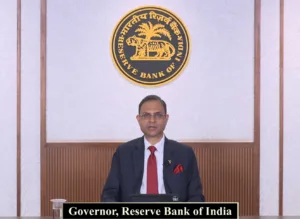
India’s imported inflation to reach 5.4%, while the Reserve Bank of India is widely expected to keep interest rates unchanged in the upcoming policy review. However, Bank of America expects 50 basis points of rate hikes in FY27. It has cut India growth forecast to 6.5% and raised inflation expectations to 5.2% due to the Iran oil shock. Goldman Sachs has downgraded India to market weight, cut GDP growth by 1.1% to 5.9%, raised inflation by 70 basis points, and projected the current account deficit at 2%. Earnings estimates have been reduced by 9%, and the Nifty target has been revised to 25900 from 29300.
Bank of America Nifty December 2026 target has been cut from 29,000 to 26,200, signaling continued pressure ahead. Stagflation risk is rising, with inflation staying high and growth slowing. FY27 earnings growth estimate has been reduced to 8.5%, well below consensus.
BofA says India may underperform other emerging markets, attracting lower global flows. In a worst case scenario, prolonged global tensions could hit demand and investment, slowing growth. GDP is expected to fall from 7.4% to 6.5%, indicating a clear slowdown ahead.
Moody’s has reduced India’s FY27 GDP forecast to 6% from 6.8% and raised inflation expectations to 4.8% from 2.4%, citing risks from the West Asia conflict. The report highlighted LPG disruptions and rising fuel costs as key concerns. OECD and ICRA have also trimmed their outlook. The purchasing managers index has fallen to 53.9, marking a 45 month low, while input costs have hit their highest level since August 2022. The rupee has touched a record low during this period.
In global markets, gold has overtaken US Treasuries as the top reserve asset, accounting for 24% of global central bank reserves compared to 21% for US Treasuries for the first time since the 1990s. Around 43% of central banks plan to increase gold holdings in 2026, with expected purchases of about 850 tonnes. Countries such as China, India, Brazil, and Turkey are leading this shift amid rising geopolitical risks and concerns over US fiscal conditions.
Looking ahead, investors are expected to closely track inflation trends, crude oil prices, and central bank decisions on interest rates. Global growth revisions, foreign investor flows, and developments in West Asia will remain key factors influencing the stock market, bond yields, and overall investor sentiment in the coming months.

BBW News Desk is the editorial team of BigBreakingWire, a digital newsroom focused on global finance, markets, geopolitics, trade policy, and macroeconomic developments.
Our editors monitor government decisions, central bank actions, international trade movements, corporate activity, and economic indicators to deliver fast, fact-based reporting for investors, professionals, and informed readers.
The BBW News Desk operates under the editorial standards of BigBreakingWire, prioritizing accuracy, verified information, and timely updates on major global developments.

















Be First to Comment