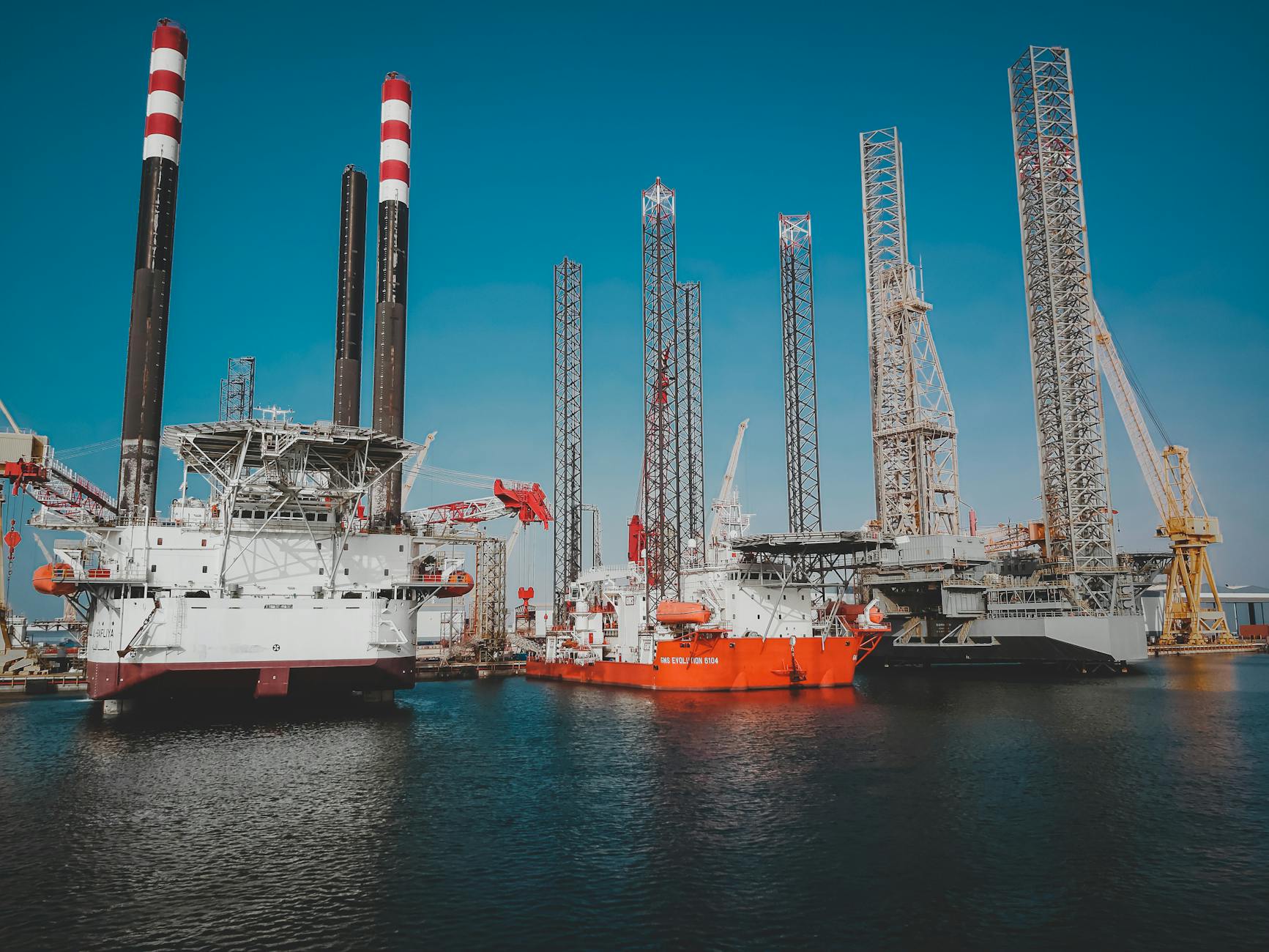
India has approved the RELIEF scheme under the Export Promotion Mission to support exporters facing disruptions in West Asia trade routes. The policy comes amid rising freight, insurance, and war-risk costs linked to tensions around the Strait of Hormuz. The government has allocated Rs 497 crore for the intervention, covering shipments between February 14 and June 15, 2026. Exporters, especially MSMEs, are expected to benefit through risk coverage of up to 100% and cost reimbursements of up to 50%.
What Happened in India’s RELIEF Policy Decision
The Government of India has introduced RELIEF (Resilience & Logistics Intervention for Export Facilitation) as a targeted support mechanism under the Export Promotion Mission. The scheme is designed to address disruptions in maritime trade routes across the Gulf and West Asia.
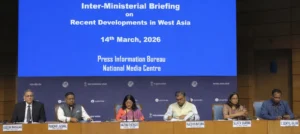
These disruptions have resulted in vessel diversions, longer transit times, congestion at ports, and sharp increases in freight and insurance costs. In response, authorities activated an Inter-Ministerial Group on March 02, 2026, to monitor supply chain stress and recommend interventions.
| Parameter | Details |
| Scheme Name | RELIEF |
| Total Outlay | Rs 497 crore |
| Coverage Period | Feb 14 to June 15, 2026 |
| Implementing Agency | ECGC Ltd. |
| Target Region | West Asia and Gulf countries |
The policy provides enhanced credit risk coverage through ECGC and partial reimbursement for MSME exporters who were not previously insured.
Why Did the RELIEF Scheme Happen
The primary trigger behind the scheme is the sharp escalation in geopolitical tensions in West Asia, particularly around critical shipping routes such as the Strait of Hormuz. This corridor handles nearly 20% of global oil and a significant share of India’s energy-linked trade flows.
Security threats, including drone strikes and regional instability, have forced shipping lines to reroute vessels, increasing fuel consumption and insurance premiums. War-risk insurance costs have risen significantly, directly impacting export competitiveness.
Without intervention, Indian exporters risked order cancellations, delayed shipments, and margin erosion, especially in price-sensitive sectors such as textiles, chemicals, and engineering goods.
Bigger Context Behind Export Disruptions in Global Trade
The RELIEF scheme reflects a broader shift in global trade dynamics where geopolitics is increasingly influencing supply chains. Since 2022, disruptions across the Red Sea, Black Sea, and now the Gulf have exposed vulnerabilities in maritime logistics.
India’s export strategy has been evolving to reduce dependency on single routes and improve resilience. However, West Asia remains a critical hub due to its proximity and role as a transshipment corridor linking Europe, Africa, and Asia.
Historically, similar disruptions have led to spikes in shipping rates. For example, during the Red Sea crisis, freight rates surged over 40%, highlighting how quickly logistics costs can escalate in conflict zones.
| Factor | Impact on Trade |
| Route Diversions | Longer transit times and higher fuel costs |
| War-risk Insurance | Premiums increased significantly |
| Port Congestion | Delays and higher storage charges |
| Freight Costs | Sharp rise impacting exporter margins |
How RELIEF Affects Markets, Companies, Investors, and Economy
The scheme provides immediate stability to export-oriented sectors by reducing financial uncertainty. MSMEs, which account for nearly 45% of India’s exports, are expected to benefit the most due to reimbursement support and enhanced insurance coverage.
From a market perspective, logistics, shipping, and export-heavy companies may see reduced downside risks. Sectors such as textiles, pharmaceuticals, auto components, and chemicals could maintain shipment flows despite elevated costs.
For investors, the move signals proactive policy support during external shocks, which can improve confidence in export-linked equities. It also reduces the probability of sudden earnings downgrades in export-driven industries.
| Stakeholder | Impact |
| Exporters | Lower financial risk and cost support |
| MSMEs | Up to 50% reimbursement benefits |
| Investors | Reduced volatility in export sectors |
| Government | Maintains trade stability and employment |
Additionally, the move aligns with India’s broader goal of sustaining export momentum amid global uncertainty and protecting jobs in export-linked industries.
What Happens Next in India’s Export and Trade Policy
The RELIEF scheme is designed as a time-bound intervention, but its continuation will depend on geopolitical developments in West Asia. The government will monitor the situation through real-time dashboards and periodic reviews.
If disruptions persist, further policy measures such as extended subsidies, alternate trade route development, or logistics infrastructure upgrades may follow.
Over the medium term, India is likely to accelerate diversification of export routes and strengthen domestic logistics capabilities to reduce exposure to geopolitical chokepoints.
Frequently Asked Questions
What is the RELIEF scheme?
RELIEF is a government intervention under the Export Promotion Mission to support exporters facing logistics disruptions in West Asia.
Who benefits from RELIEF?
Indian exporters, especially MSMEs, benefit through risk coverage and cost reimbursements.
What financial support is provided?
Up to 100% risk coverage for insured shipments and up to 50% reimbursement for eligible MSMEs, capped at Rs 50 lakhs.
Why was the scheme introduced?
It was introduced due to rising freight, insurance costs, and geopolitical risks affecting trade routes in the Gulf region.
Conclusion
The RELIEF scheme represents a targeted and timely policy response to a rapidly evolving geopolitical risk affecting global trade. By combining financial protection with operational support, India aims to preserve export competitiveness and prevent supply chain disruptions.
The effectiveness of the scheme will depend on how long regional instability persists, but it clearly signals a shift toward more agile and responsive trade policy frameworks in an increasingly uncertain global environment.

BBW News Desk is the editorial team of BigBreakingWire, a digital newsroom focused on global finance, markets, geopolitics, trade policy, and macroeconomic developments.
Our editors monitor government decisions, central bank actions, international trade movements, corporate activity, and economic indicators to deliver fast, fact-based reporting for investors, professionals, and informed readers.
The BBW News Desk operates under the editorial standards of BigBreakingWire, prioritizing accuracy, verified information, and timely updates on major global developments.









Be First to Comment