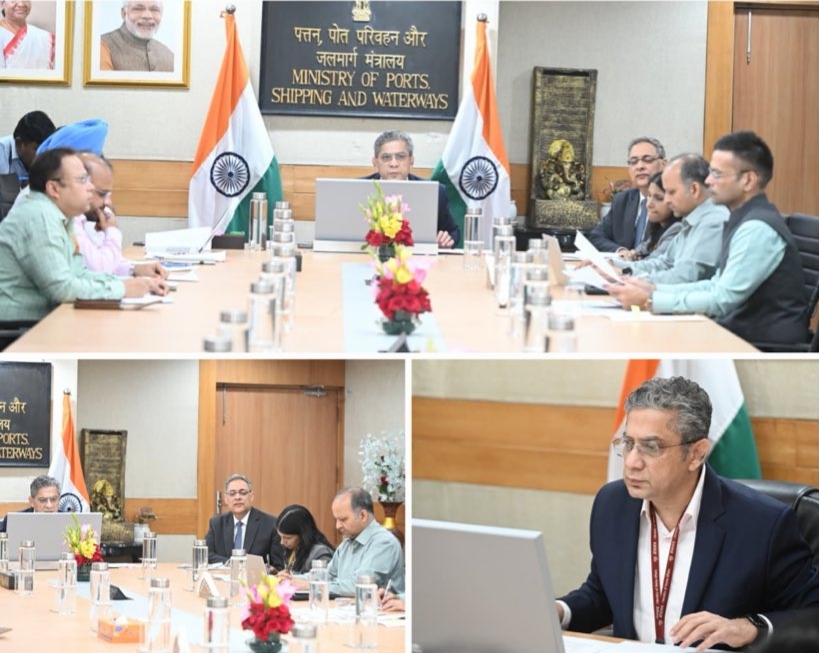
India has intensified maritime monitoring and preparedness as geopolitical tensions in West Asia raise risks for global shipping routes and energy trade. The Ministry of Ports, Shipping and Waterways (MoPSW) has activated enhanced tracking of Indian vessels and seafarers operating near the Strait of Hormuz and the Persian Gulf.
Authorities are currently monitoring 35 Indian flagged vessels in the Persian Gulf region and three vessels in the Gulf of Aden through hourly satellite tracking. A 24 hour helpline has also been established to support Indian seafarers as shipping companies reassess risks linked to the Middle East security situation.
The move comes as geopolitical tensions and maritime security concerns threaten vital global trade routes that handle nearly 30% of the world’s seaborne oil flows, making the stability of West Asian shipping lanes crucial for India’s energy imports and export logistics.
What Happened in India’s Maritime Monitoring Decision
The Ministry of Ports, Shipping and Waterways has activated a higher level monitoring mechanism to track Indian maritime assets operating in sensitive waters across West Asia. The decision followed an inter ministerial review meeting involving the Ministry of External Affairs, Directorate General of Foreign Trade, and the Ministry of Petroleum and Natural Gas.
The review assessed risks to Indian seafarers, Indian flagged vessels, and cargo flows linked to Gulf Cooperation Council countries. The Directorate General of Shipping has issued new advisories requiring vessels and crew members to follow stricter security protocols and enhanced reporting procedures.
Authorities confirmed that all Indian flagged vessels currently operating in the region remain safe. Government tracking systems are monitoring 24 vessels west of the Strait of Hormuz and 11 vessels east of the strait including the Gulf of Oman.
| Key Metric | Details |
| Indian flagged vessels in Persian Gulf | 35 ships |
| Ships west of Strait of Hormuz | 24 vessels |
| Ships east of Strait of Hormuz | 11 vessels |
| Ships in Gulf of Aden | 3 vessels |
| Monitoring frequency | Hourly satellite tracking |
Why India Strengthened Maritime Monitoring
The decision reflects growing global concern about maritime security risks in West Asia, especially around the Strait of Hormuz. This narrow shipping corridor connects the Persian Gulf to global markets and is one of the most critical energy chokepoints in the world.
India imports more than 60% of its crude oil from the Middle East region, making uninterrupted maritime access essential for domestic fuel supplies and industrial stability. Any disruption to shipping routes could affect energy prices, freight costs, and trade flows.
In addition to energy security, Indian seafarers represent one of the largest maritime workforces globally. India supplies nearly 10% of the world’s seafarers, many of whom operate on international vessels transiting through sensitive waters in the Gulf region.
Bigger Context Behind Maritime Security in the Middle East
Global shipping lanes near Iran, the Strait of Hormuz, and the Gulf of Aden have historically faced security risks including military tensions, piracy, and tanker seizures. Recent geopolitical developments in West Asia have once again placed these routes under close international scrutiny.
Roughly 20 million barrels of oil per day pass through the Strait of Hormuz, representing about 30% of global seaborne crude trade. Any instability in this corridor can quickly influence global oil prices and shipping insurance costs.
For India, the Gulf region is also a major trade partner. The Gulf Cooperation Council accounts for more than $150 billion in bilateral trade with India annually, covering crude oil imports, petrochemicals, food exports, and construction materials.
| Strategic Indicator | Global Significance |
| Oil trade through Strait of Hormuz | About 20 million barrels per day |
| Share of global seaborne oil | Nearly 30% |
| India GCC trade value | Over $150 billion annually |
| Indian seafarers globally | About 10% of global workforce |
How West Asia Maritime Risks Affect Markets and Trade
Rising geopolitical tensions in the Middle East typically trigger volatility in global energy markets. If shipping routes face disruptions, tanker freight rates and marine insurance premiums tend to increase, raising the landed cost of crude oil for importing countries like India.
Higher energy costs can feed into inflation pressures, especially in large oil importing economies. For India, which imports nearly 85% of its crude oil requirements, stable maritime logistics are essential for maintaining price stability.
Indian exporters are also exposed to risks if shipping routes slow down or if container vessels are diverted. Delays could affect shipments of engineering goods, pharmaceuticals, food products, and chemicals destined for Gulf markets.
| Sector | Potential Impact |
| Energy imports | Higher crude freight and insurance costs |
| Export logistics | Possible shipping delays to GCC markets |
| Shipping companies | Higher risk assessments and operational costs |
| Global oil markets | Potential price volatility |
What Happens Next in India’s Maritime Preparedness Strategy
Indian authorities are expected to maintain continuous monitoring of maritime developments in coordination with shipping companies, ports, and diplomatic channels. The government has also directed major ports to assist exporters and ensure smooth cargo handling if supply chains face disruptions.
Shipping operators are likely to increase voyage specific risk assessments and adjust routes if necessary. Insurance providers may also reassess risk premiums for vessels operating in high risk waters near the Gulf region.
Going forward, India’s maritime strategy will increasingly focus on supply chain resilience, digital vessel tracking, and stronger coordination with international maritime agencies to protect seafarers and safeguard trade flows.
Frequently Asked Questions
Why is India monitoring ships near the Strait of Hormuz?
The Strait of Hormuz is a critical global oil shipping route. Rising geopolitical tensions in West Asia have increased risks to vessels operating in the region.
How many Indian ships are currently being tracked?
India is monitoring 35 Indian flagged vessels in the Persian Gulf and three vessels in the Gulf of Aden through satellite tracking systems.
How important is the Gulf region for India’s trade?
The Gulf Cooperation Council accounts for more than $150 billion in annual trade with India and supplies a major share of India’s crude oil imports.
Will the situation affect global oil prices?
If tensions escalate and disrupt shipping routes, oil transport costs and insurance premiums could rise, potentially pushing global oil prices higher.
Conclusion
India’s decision to strengthen maritime monitoring reflects the growing strategic importance of secure sea lanes in an increasingly uncertain geopolitical environment. As global energy markets and trade routes remain heavily dependent on the stability of the Persian Gulf, proactive monitoring and coordination have become essential tools for protecting national economic interests.
While current shipping operations remain stable, continued vigilance will be critical. Any escalation in regional tensions could quickly ripple through global energy markets, freight rates, and supply chains that connect the Middle East with Asia and the rest of the world.

BBW News Desk is the editorial team of BigBreakingWire, a digital newsroom focused on global finance, markets, geopolitics, trade policy, and macroeconomic developments.
Our editors monitor government decisions, central bank actions, international trade movements, corporate activity, and economic indicators to deliver fast, fact-based reporting for investors, professionals, and informed readers.
The BBW News Desk operates under the editorial standards of BigBreakingWire, prioritizing accuracy, verified information, and timely updates on major global developments.








Be First to Comment