
IBM’s 2026 X-Force Threat Intelligence Index shows a 44% rise in cyberattacks exploiting public-facing applications, driven by AI-powered vulnerability discovery and weak authentication controls. Vulnerability exploitation accounted for 40% of incidents in 2025, while ransomware groups increased 49% year over year. The report also highlights over 300,000 leaked ChatGPT credentials and a nearly 4X rise in supply chain compromises since 2020. The findings signal growing risks for global businesses, governments, and critical industries as AI accelerates attacker speed and scale.
What Happened in IBM’s 2026 X-Force Threat Intelligence Index
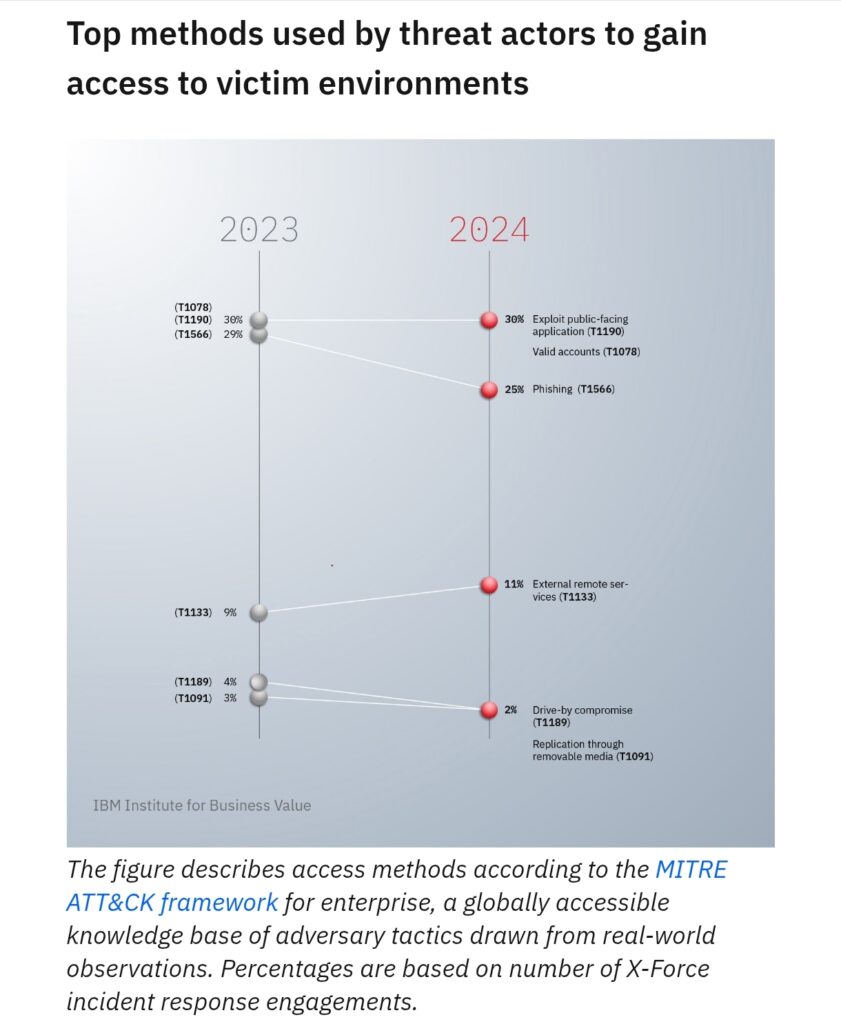
IBM released its 2026 X-Force Threat Intelligence Index, outlining a sharp shift in global cyber threat patterns as attackers increasingly use artificial intelligence to automate reconnaissance, phishing, and malware deployment. The report found that 30% of attacks now exploit public-facing applications, with missing authentication and misconfigured access controls acting as primary entry points.
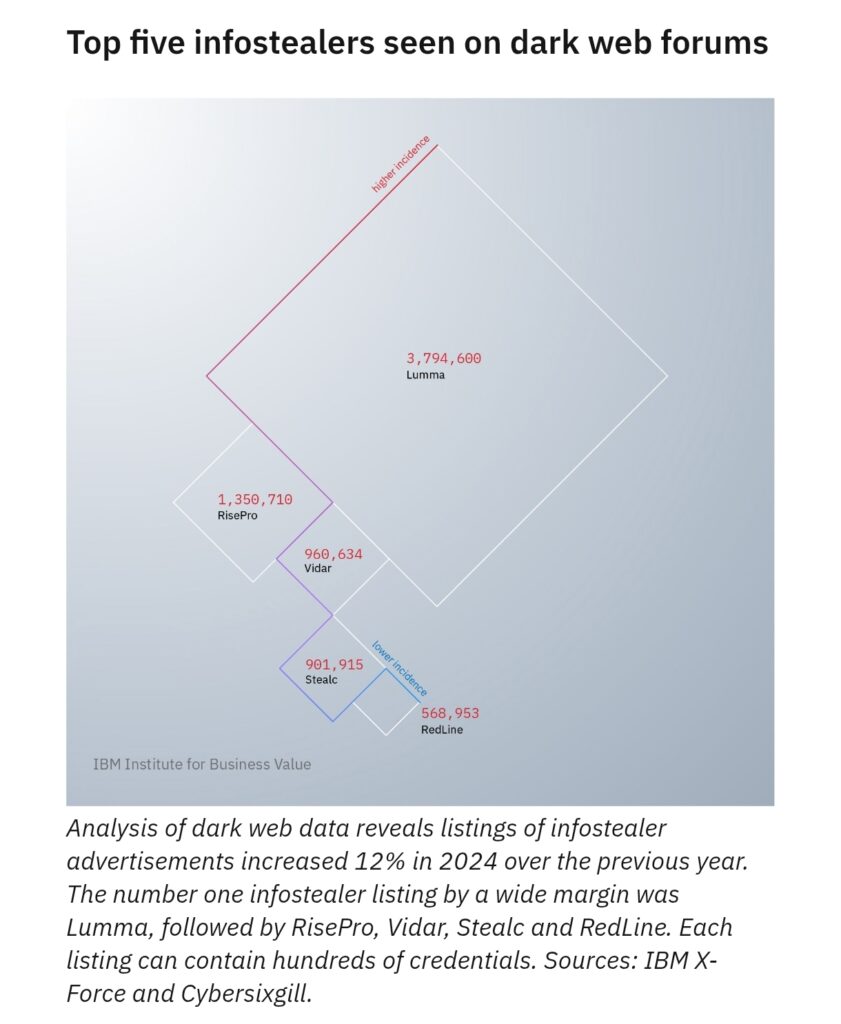
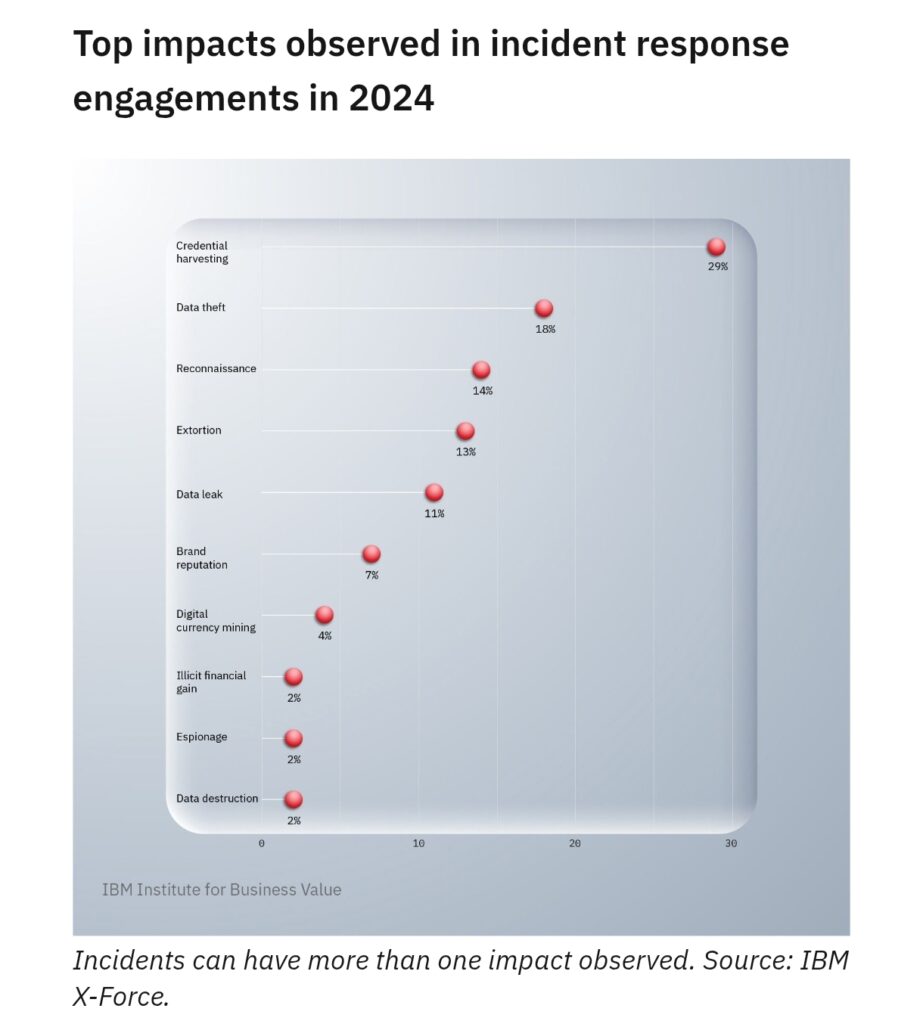
Active ransomware and extortion groups surged 49% year over year, while publicly disclosed victim counts rose about 12%. Identity-based intrusions made up nearly 30% of total attacks, reflecting the growing use of stolen credentials and infostealer malware delivered through phishing campaigns.
| Key Metric | 2025–2026 Data |
| Increase in attacks exploiting public apps | 44% |
| Share of attacks via vulnerability exploitation | 40% |
| Rise in ransomware groups | 49% YoY |
| Leaked AI platform credentials | 300,000+ ChatGPT accounts |
| Supply chain compromises since 2020 | Nearly 4X increase |
Why Did AI-Accelerated Cyber Threats Increase
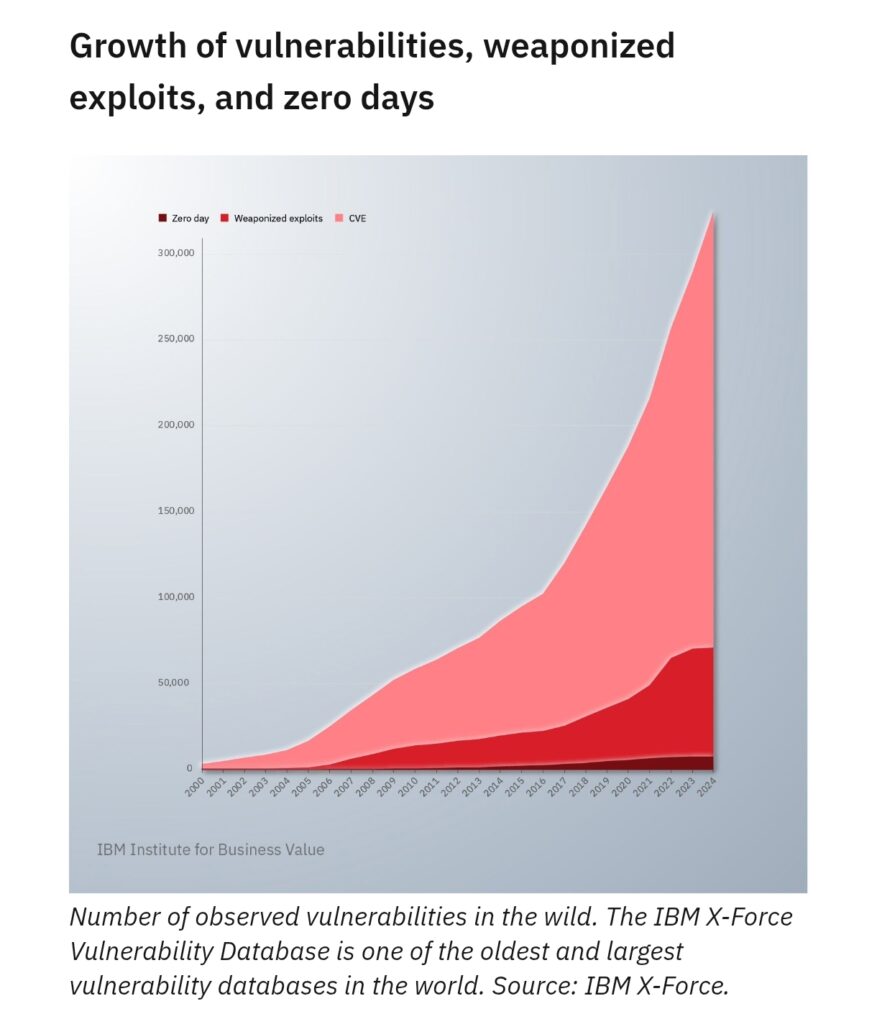
The surge in attacks is largely linked to the rapid adoption of generative AI tools that allow threat actors to scan systems, analyze datasets, and automate exploitation faster than traditional manual methods. With publicly available exploit code appearing within weeks of vulnerability disclosure, attackers are shortening the lifecycle from discovery to breach.
Another structural reason is weak enterprise cyber hygiene. IBM penetration testing data shows persistent gaps in credential management and software configuration. Many vulnerabilities require no credentials, allowing automated bots to bypass human detection systems and directly target exposed infrastructure.
Bigger Context Behind AI Cybersecurity Risks in Economy and Geopolitics
The findings come at a time when global economies are becoming deeply dependent on digital infrastructure, cloud services, and AI-driven automation. Asia-Pacific accounted for 34% of incidents in 2024, reflecting its role as a manufacturing and technology hub within global supply chains. North America became the most attacked region with 29% of cases, up from 24% in 2024.
Geopolitically, the line between nation-state and financially motivated cyber actors is increasingly blurred. Techniques once associated with state-sponsored operations are now accessible through leaked tools and dark web marketplaces. This democratization of cyber weapons lowers entry barriers and increases systemic risks for financial systems, defense networks, and strategic industries.
The manufacturing sector remained the top target for the fifth consecutive year, accounting for 27.7% of incidents, as attackers exploit legacy industrial systems and intellectual property assets. This trend has implications for global trade security, especially as supply chains become more digitized and interconnected.
| Sector Impact | Observed Risk Trend |
| Manufacturing | 27.7% of incidents, high data theft and extortion |
| Supply Chains | 4X rise in third-party compromises since 2020 |
| SaaS & AI Platforms | Growing credential exposure and prompt manipulation risks |
| Global Regions | APAC 34%, North America 29% attack share |
How the Cyber Threat Surge Affects Markets, Companies, Investors, and Economy
The escalation in AI-driven cyberattacks is likely to increase cybersecurity spending across enterprises, particularly in banking, manufacturing, and cloud infrastructure sectors. Public companies with weak digital defenses may face higher compliance costs, operational disruptions, and reputational risks, directly impacting valuations and investor sentiment.
For technology firms and SaaS providers, the exposure of over 300,000 AI platform credentials signals rising identity risks. Compromised chatbot accounts can enable data exfiltration, output manipulation, and intellectual property theft, creating new regulatory and legal challenges.
From a macroeconomic perspective, increased cyber incidents raise systemic financial risks, especially as ransomware still accounts for 28% of malware cases. Governments may respond with stricter data protection laws, cybersecurity mandates, and cross-border digital security frameworks, influencing policy direction in major economies including the US, EU, and India.
| Economic Area | Impact |
| Stock Markets | Higher volatility in tech and cybersecurity stocks |
| Corporate Costs | Rising cybersecurity and compliance expenditure |
| Government Policy | Tighter cyber regulations and AI governance |
| Investors | Shift toward cyber-resilient and AI-secure firms |
What Happens Next in Global AI Cybersecurity Landscape
Cyber threats are expected to become faster and more adaptive as multimodal AI models evolve and automate complex attack chains such as reconnaissance, lateral movement, and ransomware deployment. The growing use of AI-generated phishing and deepfake tactics suggests identity-based attacks will continue to rise beyond the current 30% intrusion share.
Policy responses may focus on AI governance, zero-trust security architecture, and stricter authentication frameworks. Enterprises are likely to accelerate adoption of agentic threat detection systems and conditional access controls to counter automated attacks.
In the medium term, supply chain cybersecurity and AI platform security will become strategic priorities for governments and corporations, especially as digital infrastructure becomes central to economic growth, defense systems, and geopolitical competitiveness.
Frequently Asked Questions
What is the IBM X-Force Threat Intelligence Index 2026?
It is IBM’s annual cybersecurity report analyzing global attack trends, vulnerabilities, and threat actor behavior based on real incident data.
Why are AI-driven cyberattacks increasing?
Attackers are using AI tools to automate vulnerability scanning, phishing, and malware development, reducing time from discovery to breach.
Which industry is most targeted by cyberattacks?
Manufacturing is the most targeted sector, accounting for 27.7% of incidents due to legacy systems and valuable intellectual property.
How do leaked AI credentials impact cybersecurity?
Leaked credentials can allow attackers to manipulate AI outputs, steal data, and launch identity-based attacks on enterprise systems.
Conclusion
The IBM 2026 X-Force report highlights a structural shift in cybersecurity risks as AI accelerates both the scale and speed of cyberattacks. With vulnerability exploitation driving 40% of incidents and supply chain breaches rising sharply, businesses and policymakers face growing systemic digital risks. Future market dynamics will likely favor firms with strong cyber resilience, while governments move toward stricter AI security regulation and proactive threat intelligence frameworks.

BBW News Desk is the editorial team of BigBreakingWire, a digital newsroom focused on global finance, markets, geopolitics, trade policy, and macroeconomic developments.
Our editors monitor government decisions, central bank actions, international trade movements, corporate activity, and economic indicators to deliver fast, fact-based reporting for investors, professionals, and informed readers.
The BBW News Desk operates under the editorial standards of BigBreakingWire, prioritizing accuracy, verified information, and timely updates on major global developments.










Be First to Comment