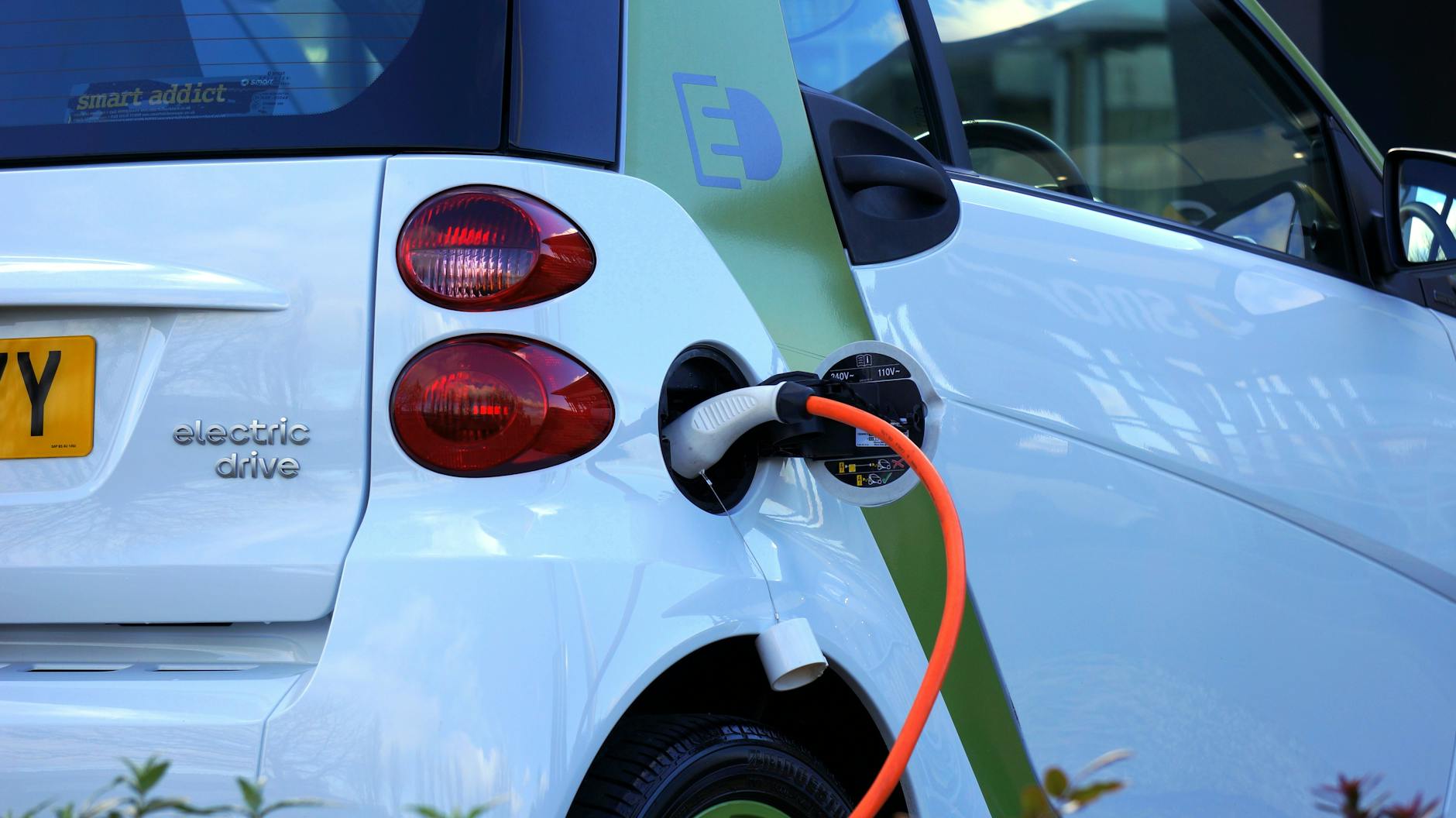
What Happened in Delhi EV Policy 2026–30
Delhi’s government has proposed a new Electric Vehicle (EV) Policy for 2026–2030 aimed at accelerating EV adoption across two-wheelers, three-wheelers, and commercial vehicles. The draft introduces purchase incentives, scrappage benefits, and full road tax exemptions to boost demand.
The policy offers incentives of up to Rs 30,000 for electric two-wheelers, Rs 50,000 for e-auto rickshaws, and Rs 1,00,000 for electric goods vehicles. Additional scrappage incentives range from Rs 10,000 to Rs 1,00,000 depending on vehicle type and eligibility.
All EVs registered in Delhi during the policy period will receive 100% exemption from road tax and registration fees, while electric cars priced above Rs 30 lakh are excluded from these benefits.
| Policy Name | Delhi EV Policy 2026–2030 (Draft) |
| Timeline | 2026 to 2030 |
| Key Authority | GNCTD |
| Main Goal | Reduce air pollution and increase EV adoption |
Why Did This Policy Happen
Delhi faces severe air pollution, with vehicular emissions contributing nearly 23% of winter pollution levels. Policymakers are prioritizing electrification of high-usage vehicle segments such as two-wheelers and commercial fleets, which account for a significant share of daily emissions.
Economic reasoning also plays a role. EV adoption reduces dependence on imported crude oil, helping improve India’s current account balance. Lower operating costs for EV users further support demand, especially in price-sensitive segments like delivery and ride-hailing.
The policy aligns with national initiatives such as PM E-DRIVE and complements India’s broader push toward energy transition and decarbonization targets.
Bigger Context in Economy and Geopolitics
India’s EV push is part of a larger global shift toward clean mobility, driven by climate commitments and supply chain realignment. Countries are competing to secure battery materials such as lithium, cobalt, and nickel, making EV policy not just environmental but geopolitical.
Delhi’s policy reflects urban-level implementation of national strategy. As India imports over 80% of its crude oil, scaling EV adoption directly reduces exposure to global oil price volatility, particularly amid geopolitical tensions in the Middle East.
At the same time, the focus on battery recycling and charging infrastructure indicates an attempt to build domestic supply chains and reduce reliance on foreign technology providers.
| Global Factor | Impact on Policy |
| Oil price volatility | Push for EV adoption to reduce imports |
| Battery supply chains | Focus on recycling and localization |
| Climate commitments | Support for zero-emission transport |
Impact on Markets, Companies, and Economy
The policy is likely to benefit EV manufacturers, battery producers, and charging infrastructure companies. Two-wheeler EV makers could see demand acceleration due to upfront incentives and cost savings.
Logistics and e-commerce companies may increasingly shift to electric fleets to reduce operating costs and comply with regulatory expectations. This could drive growth in last-mile delivery EV adoption.
Auto companies with strong EV pipelines may gain market share, while traditional internal combustion engine players could face gradual demand erosion in urban centers like Delhi.
Financially, the incentives reduce upfront cost barriers, improving affordability. However, fiscal pressure on state finances may rise due to subsidy outflows, requiring careful budget management.
| Sector | Expected Impact |
| EV Manufacturers | Demand growth due to subsidies |
| Battery Industry | Higher demand and recycling push |
| Oil Companies | Long-term demand risk |
| Logistics Firms | Lower operating costs with EV fleets |
What Happens Next
The draft policy will undergo stakeholder consultations before final notification. Implementation timelines, subsidy disbursal mechanisms, and infrastructure rollout plans will be critical to its success.
Market response will depend on execution speed, especially in charging infrastructure expansion. Delays could slow adoption despite financial incentives.
Over the next 3–5 years, Delhi could emerge as a leading EV market in India, setting a template for other states. The policy may also influence national-level regulations and private sector investment decisions.
Frequently Asked Questions
What is the Delhi EV Policy 2026–2030?
It is a government plan to increase electric vehicle adoption through subsidies, tax exemptions, and infrastructure development.
How much subsidy is available for EV buyers?
Incentives range from Rs 10,000 to Rs 1,00,000 depending on vehicle type and eligibility.
Are electric cars fully exempt from taxes?
Only cars priced up to Rs 30 lakh get 100% road tax and registration fee exemption.
Why is Delhi focusing on EV adoption?
To reduce air pollution, lower fuel imports, and support clean energy transition goals.
Conclusion
Delhi’s EV Policy 2026–2030 signals a deeper structural shift toward electrified mobility. While incentives provide short-term demand support, long-term success will depend on infrastructure, supply chain strength, and policy continuity. The move reinforces India’s broader transition toward energy security and cleaner urban transport systems.

BBW News Desk is the editorial team of BigBreakingWire, a digital newsroom focused on global finance, markets, geopolitics, trade policy, and macroeconomic developments.
Our editors monitor government decisions, central bank actions, international trade movements, corporate activity, and economic indicators to deliver fast, fact-based reporting for investors, professionals, and informed readers.
The BBW News Desk operates under the editorial standards of BigBreakingWire, prioritizing accuracy, verified information, and timely updates on major global developments.










Be First to Comment